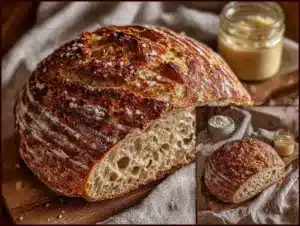
“You want to borrow my bread recipe?” my neighbor asked one chilly afternoon, smiling like she was letting me in on a little secret. I was skeptical at first—homemade bread always felt like this mysterious, time-consuming magic trick I could never pull off. But after a few tries with her Tender Amish White Bread Recipe, I was hooked. The smell of yeast and warm dough filling my kitchen was downright addictive. Honestly, I didn’t expect something so simple to yield such soft, fluffy loaves that practically melted in your mouth.
That first loaf came out golden, with a crust just thin enough to give a satisfying snap when sliced. The crumb inside was tender and pillowy, the kind of bread that calls for nothing more than a swipe of butter—though I confess, I sometimes sneak in a little honey or jam when no one’s watching. The recipe’s charm isn’t just in the texture but in how it feels like a little moment of calm in a busy day. After a couple of hectic mornings making this bread, I realized it wasn’t just about feeding my family but about creating a ritual that felt grounding.
Now, whenever I’m craving something cozy or need a quick pick-me-up, this Amish bread comes to mind. It’s the kind of bread that makes you pause and savor the simplicity, reminding you that not every great thing in the kitchen needs to be complicated. Plus, it’s sturdy enough to hold up to sandwiches but soft enough to enjoy plain, fresh out of the oven. Somehow, this recipe stuck with me because it’s forgiving, approachable, and rewarding—just like a good friend who’s always there when you need them.
Why You’ll Love This Tender Amish White Bread Recipe
Having tested this Amish white bread recipe multiple times (and yes, I’ve tweaked it for that perfect softness), I can confidently say it’s a keeper for home bakers of all levels. Here’s what makes it stand out:
- Quick & Easy: From start to finish, you’ll have soft, fluffy loaves ready in about 3 hours, with minimal hands-on time. Perfect for those who want homemade bread without endless kneading or complicated steps.
- Simple Ingredients: No exotic flours or hard-to-find add-ins here—just pantry staples like all-purpose flour, yeast, sugar, and milk. I usually keep these ingredients stocked, so I can bake on a whim.
- Perfect for Any Occasion: Whether you’re making sandwiches for a casual lunch or serving warm slices alongside a bowl of comfort chili on a cold night, this bread fits right in.
- Crowd-Pleaser: Kids and adults alike rave about the soft texture and mild, slightly sweet flavor. It’s also a great base for spreads like the creamy classic hummus I love to whip up.
- Unbelievably Delicious: Thanks to a little extra milk and a slow rise, the crumb stays tender and moist, making it feel like the kind of bread you want to eat all day long.
What sets this apart? It’s how the dough feels silky and easy to work with, and the loaves come out soft but with enough structure to hold sandwich fillings without falling apart. It’s not just fluffy—it’s “tender” in the truest sense, and that’s a subtle but important difference.
This recipe stuck with me because it’s that rare bread that’s both approachable and reliable. It’s the kind you’ll want to bake again and again, no matter how many fancy breads you try.
What Ingredients You Will Need
This Amish white bread recipe uses simple, wholesome ingredients to create a soft, tender loaf with the perfect crumb. Most of these are pantry staples, so you might already have everything on hand to start baking right away.
- Warm whole milk (1 cup / 240 ml): The milk adds richness and tenderness. I use whole milk for the best texture, but 2% works fine too.
- Active dry yeast (2 1/4 teaspoons / 7 g): The magic behind the rise. Look for a reliable brand like Fleischmann’s for consistent results.
- Sugar (2 tablespoons / 25 g): Feeds the yeast and adds a touch of sweetness without being overpowering.
- Unsalted butter (3 tablespoons / 42 g), softened: Adds richness and keeps the crumb tender. I prefer European-style butter for its creaminess.
- Salt (1 1/2 teaspoons / 9 g): Balances the flavors and strengthens the dough.
- All-purpose flour (4 cups / 480 g), plus extra for dusting: The main structure builder. I recommend King Arthur flour for its dependable protein content, but any good-quality all-purpose flour works.
Optional: For a dairy-free version, swap the milk for almond or oat milk and use a plant-based butter substitute. Also, if you want a slight twist, try swapping half the flour with bread flour for a chewier texture.
Equipment Needed
- Large mixing bowl: For combining and proofing the dough. Glass or stainless steel works best.
- Measuring cups and spoons: Accurate measurements really make a difference in baking.
- Stand mixer with dough hook (optional): Makes kneading easier, but you can knead by hand if you prefer—just give your arms a workout!
- Loaf pans (2 standard 9×5-inch / 23×13 cm): For shaping the bread. I use non-stick pans, but greasing with butter or oil works just as well.
- Kitchen thermometer (optional): Helps check milk temperature for activating yeast perfectly (around 110°F / 43°C).
- Clean kitchen towel or plastic wrap: To cover the dough while it rises and keep it cozy.
If you don’t have a stand mixer, no worries—kneading by hand is pretty satisfying once you get the rhythm. Just remember: use a clean surface and flour your hands to avoid sticking. I find that investing in good loaf pans really helps get that classic Amish bread shape and even baking.
Preparation Method
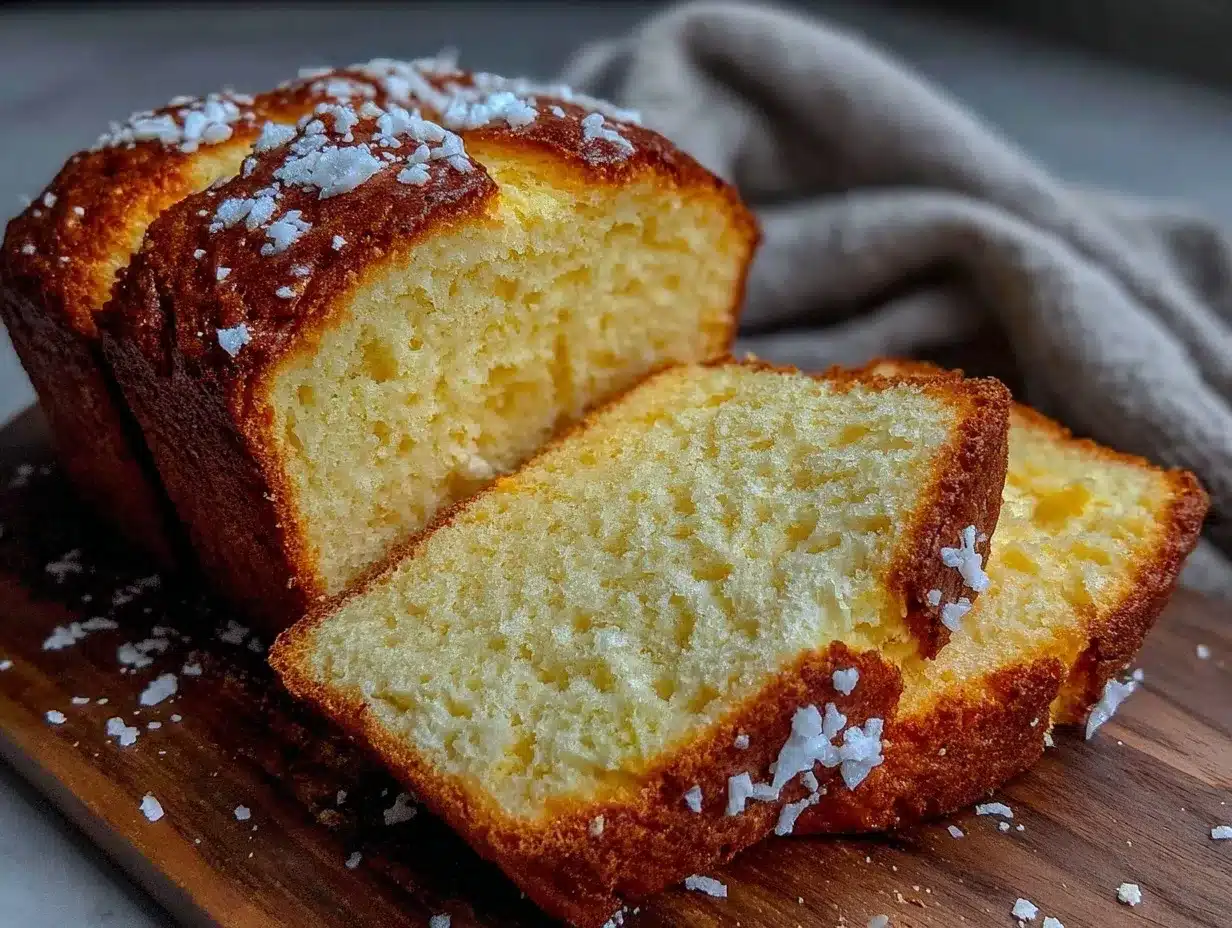
- Warm the milk: Gently heat 1 cup (240 ml) of whole milk until it reaches about 110°F (43°C). Test by dipping your finger in—it should feel warm but not hot. Pour the warm milk into a large mixing bowl.
- Activate the yeast: Sprinkle 2 1/4 teaspoons (7 g) of active dry yeast and 2 tablespoons (25 g) of sugar over the milk. Let it sit for 5-10 minutes until it becomes frothy and bubbly. If it doesn’t foam, your yeast may be expired—start over with fresh yeast.
- Add butter and salt: Stir in 3 tablespoons (42 g) of softened unsalted butter and 1 1/2 teaspoons (9 g) of salt until combined.
- Mix in the flour: Gradually add 4 cups (480 g) of all-purpose flour, about 1 cup (120 g) at a time, stirring with a wooden spoon or dough hook. Once the dough pulls away from the sides of the bowl and becomes too stiff to stir, transfer it to a floured surface.
- Knead the dough: Knead by hand for 8-10 minutes (or 5-7 minutes with a stand mixer) until the dough is smooth, elastic, and slightly tacky but not sticky. If it feels too sticky, sprinkle a little more flour, but be careful not to overdo it—this dough should stay soft.
- First rise: Shape the dough into a ball and place it in a greased bowl, turning it once to coat all sides. Cover with a clean towel or plastic wrap and let it rise in a warm spot for about 1 to 1 1/2 hours, or until doubled in size.
- Shape the loaves: Punch down the dough gently to release air. Divide it in half and shape each piece into a loaf by rolling it into a tight rectangle, then folding and pinching the seams. Place each loaf seam-side down into greased 9×5-inch (23×13 cm) loaf pans.
- Second rise: Cover the pans loosely and let rise for another 45 minutes to 1 hour, until the dough has risen about 1 inch above the rim of the pans.
- Bake: Preheat the oven to 350°F (175°C). Bake the loaves for 30-35 minutes, until the tops are golden brown and the bread sounds hollow when tapped. If the crust browns too quickly, tent with foil halfway through baking.
- Cool: Remove the loaves from the pans and let cool on a wire rack for at least 30 minutes before slicing. This step is key to prevent gummy bread!
Pro tip: I like to check the internal temperature of the bread with a thermometer—it should be about 190°F (88°C) when fully baked. This helps avoid under- or over-baking, which can affect that tender crumb.
Cooking Tips & Techniques
Getting homemade bread just right is a bit of a dance—here are some tips that I’ve picked up along the way:
- Milk temperature is crucial: Too hot and you’ll kill the yeast; too cold and the yeast won’t activate. Aim for that warm, bath-like temperature around 110°F (43°C).
- Kneading by hand takes practice: I remember the first time I over-floured the dough and ended up with a tough loaf. It’s better to err on the side of slightly sticky dough that becomes elastic with kneading.
- Don’t rush the rises: Patience makes all the difference. If your kitchen is cold, try placing the dough near a warm oven or on top of the fridge.
- Use fresh yeast: Old yeast can lead to dense bread. I always keep an unopened packet in my fridge and use within the expiration date.
- Watch the crust: If you want a softer crust, brush the warm loaves with butter right after baking. For a slightly crispier crust, bake them a few minutes longer or leave them uncovered while cooling.
- Multitasking tip: While the dough rises, it’s the perfect time to prep a quick snack or even assemble a batch of creamy deviled eggs for your next gathering.
Variations & Adaptations
Want to switch things up or adjust for dietary needs? Here are some ideas I’ve tried and loved:
- Whole Wheat Blend: Swap half the all-purpose flour for whole wheat flour for a nuttier flavor and added fiber. The bread will be a bit denser but still tender.
- Gluten-Free Option: Use a gluten-free all-purpose flour blend designed for bread baking and add a teaspoon of xanthan gum if your blend doesn’t include it. Expect a different texture but still delicious.
- Herb-Infused Bread: Add 1 tablespoon of dried rosemary or thyme to the dough for a subtle herbal note that pairs beautifully with savory spreads.
- Sweet Twist: Stir in ¼ cup of honey instead of sugar and add a handful of raisins or chopped dried apricots. This makes for a lovely breakfast bread.
One variation I’ve enjoyed is using half bread flour and half all-purpose flour, which gives a chewier crust while keeping the inside tender. Feel free to experiment—this recipe is forgiving and welcomes tweaks.
Serving & Storage Suggestions
This Amish white bread is best enjoyed fresh and slightly warm, with a bit of butter melting into every slice. It’s perfect for:
- Simple sandwiches with your favorite fillings
- Toast topped with jam, honey, or even a smear of creamy peanut butter
- Serving alongside soups or stews like red wine braised short ribs for soaking up rich sauces
To store, wrap the cooled loaf tightly in plastic wrap or keep it in an airtight container at room temperature for up to 3 days. For longer storage, slice and freeze the bread in a freezer bag; toast slices straight from the freezer for convenience.
When reheating, I recommend gently warming slices in a toaster or oven to revive that fresh-baked softness. Over time, the bread’s flavor deepens slightly, which makes it even better for sandwiches or toast.
Nutritional Information & Benefits
Each slice of this tender Amish white bread (about 1/12th of a loaf) contains roughly:
| Nutrient | Amount |
|---|---|
| Calories | 120 |
| Carbohydrates | 22g |
| Protein | 4g |
| Fat | 3g |
| Fiber | 1g |
The milk and butter contribute beneficial fats and vitamin D, while the yeast adds trace amounts of B vitamins. This bread is naturally free from preservatives and artificial additives, making it a wholesome choice for your family.
For those watching gluten, this recipe isn’t gluten-free by default, but as mentioned, substitutions can adapt it for different dietary needs. Personally, I appreciate that this Amish white bread feels like a balance between indulgence and simplicity—a treat that’s still mindful of real ingredients.
Conclusion
This Tender Amish White Bread recipe delivers soft, fluffy loaves that feel homemade without a complicated fuss. It’s the kind of recipe you’ll return to when you want that warm, comforting bread with a tender crumb and a gentle sweetness. Over time, I’ve learned to trust this method because it’s forgiving, straightforward, and reliably delicious.
Feel free to play around with the variations or add your own twist. Maybe you’ll find your perfect loaf too—whether it’s paired with a cozy bowl of soup or part of an easy sandwich lunch. I hope baking this bread brings a little calm and joy to your kitchen, just like it did mine.
If you try this recipe, I’d love to hear how your loaf turns out or what special tweaks you make. Sharing those moments makes baking even more fun!
Frequently Asked Questions About Tender Amish White Bread
Can I make this bread without a stand mixer?
Absolutely! Kneading by hand works just fine. It takes a bit longer (about 8-10 minutes), but it’s satisfying and gives you a good feel for the dough’s texture.
How do I know if my yeast is still good?
Proof your yeast by mixing it with warm milk and sugar. If it bubbles and foams within 5-10 minutes, it’s active. If not, it’s best to get fresh yeast.
Why is my bread dense instead of fluffy?
Common reasons include using water that’s too hot or cold, not kneading enough, or skipping the rising times. Make sure to follow the temperature guidelines and allow the dough to double in size during each rise.
Can I freeze this bread?
Yes! Slice it first and store in an airtight freezer bag. Toast or warm slices straight from the freezer for best results.
What’s the best way to get a soft crust?
Brush the warm bread with melted butter right after baking. This keeps the crust tender and adds a lovely flavor.
Pin This Recipe!

Tender Amish White Bread Recipe Easy Homemade Soft Fluffy Loaves

This Tender Amish White Bread recipe delivers soft, fluffy loaves with a tender crumb and gentle sweetness, perfect for sandwiches or enjoying fresh out of the oven.
- Prep Time: 20 minutes
- Cook Time: 30-35 minutes
- Total Time: 3 hours
- Yield: 2 loaves (about 12 slices per loaf) 1x
- Category: Bread
- Cuisine: American
Ingredients
- 1 cup (240 ml) warm whole milk
- 2 1/4 teaspoons (7 g) active dry yeast
- 2 tablespoons (25 g) sugar
- 3 tablespoons (42 g) unsalted butter, softened
- 1 1/2 teaspoons (9 g) salt
- 4 cups (480 g) all-purpose flour, plus extra for dusting
Instructions
- Warm the milk: Gently heat 1 cup (240 ml) of whole milk until it reaches about 110°F (43°C). Pour the warm milk into a large mixing bowl.
- Activate the yeast: Sprinkle 2 1/4 teaspoons (7 g) of active dry yeast and 2 tablespoons (25 g) of sugar over the milk. Let it sit for 5-10 minutes until frothy and bubbly.
- Add butter and salt: Stir in 3 tablespoons (42 g) of softened unsalted butter and 1 1/2 teaspoons (9 g) of salt until combined.
- Mix in the flour: Gradually add 4 cups (480 g) of all-purpose flour, about 1 cup (120 g) at a time, stirring until dough pulls away from the bowl.
- Knead the dough: Knead by hand for 8-10 minutes or 5-7 minutes with a stand mixer until smooth, elastic, and slightly tacky but not sticky.
- First rise: Shape dough into a ball, place in a greased bowl, cover, and let rise in a warm spot for 1 to 1 1/2 hours until doubled in size.
- Shape the loaves: Punch down dough, divide in half, shape each into a loaf, and place seam-side down into greased 9×5-inch loaf pans.
- Second rise: Cover pans loosely and let rise for 45 minutes to 1 hour until dough rises about 1 inch above pan rims.
- Bake: Preheat oven to 350°F (175°C). Bake loaves for 30-35 minutes until golden brown and hollow sounding when tapped. Tent with foil if crust browns too quickly.
- Cool: Remove loaves from pans and cool on wire rack for at least 30 minutes before slicing.
Notes
Milk temperature is crucial; aim for about 110°F (43°C) to activate yeast properly. Knead until dough is smooth and elastic but still slightly tacky. Let dough rise fully for best texture. Brush warm loaves with melted butter for a softer crust. Use fresh yeast for best results. Cool bread completely before slicing to avoid gummy texture.
Nutrition
- Serving Size: 1 slice (1/12th of a
- Calories: 120
- Fat: 3
- Carbohydrates: 22
- Fiber: 1
- Protein: 4
Keywords: Amish white bread, homemade bread, soft bread, fluffy bread, easy bread recipe, tender bread, sandwich bread