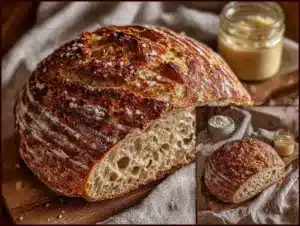
“You’re telling me we’re just folding butter into dough again? For the fifth time?” my partner asked skeptically, glancing at the flour-dusted counter and the rolling pin that had seen better days. Honestly, I get it. Croissant dough sounds fancy, complicated, and a little intimidating. But something about a quiet Saturday morning—soft light filtering through the kitchen window, the faint scent of yeast waking up—makes the whole process feel like a ritual rather than a chore.
This recipe for perfect Saturday baking day croissant dough with lamination folds wasn’t always my go-to. It started on a random weekend when I was too tired to run to the bakery and too curious to settle for store-bought. The first attempt was a mess: butter oozed out, dough tore, and frustration was high. But by the third try—after learning the rhythm of those lamination folds—it clicked. Now, I can’t stop making it, sometimes twice in one weekend, just to get that flaky, buttery texture that melts gently on the tongue.
The magic lies in those five easy lamination folds, each one layering butter and dough like a pastry symphony. It’s a slow dance of patience and precision, but the payoff? Well, it’s the kind of croissant dough that makes your kitchen smell like a Parisian boulangerie. The secret isn’t just technique—it’s about trusting the process, feeling the dough’s texture, and knowing when to pause and let the chill work its wonders.
What I love most is how this recipe transforms a quiet Saturday into a sensory experience. The crisp crackle of the baked layers, the golden hue that hints at buttery richness, and that first bite that almost makes you close your eyes. It’s not just baking; it’s a little weekend celebration you can do at home. So, if you ever wondered how to get those perfect flaky croissants without the fuss, this croissant dough with lamination folds might just be the start of your own Saturday tradition.
Why You’ll Love This Recipe
After countless attempts and tweaking, this perfect Saturday baking day croissant dough recipe with 5 easy lamination folds stands out because it balances simplicity with stunning results. Honestly, you don’t have to be a professional baker to get those irresistible layers. Here’s why this recipe has become a staple for me and many others:
- Quick & Easy: The dough comes together with straightforward ingredients and folds that are easy to master, taking about 4 hours including resting time—ideal for a relaxed Saturday bake.
- Simple Ingredients: No need for exotic flours or pricey butter. Just basic pantry staples and quality European-style butter for that incredible flake.
- Perfect for Weekend Baking: This recipe fits right into your Saturday baking day plans, turning the kitchen into a cozy, fragrant haven.
- Crowd-Pleaser: Croissants made from this dough disappear fast—family, friends, or just you indulging, they always get rave reviews.
- Unbelievably Delicious: The texture is buttery, flaky, and tender without being greasy or heavy—a perfect balance that makes every bite feel special.
What makes this croissant dough different? The 5 easy lamination folds are designed to be beginner-friendly but still yield professional-looking layers. Instead of complicated folds that leave you puzzled, this method lets you feel the dough, fold with confidence, and watch those layers build up beautifully. And because I’ve tested this recipe repeatedly, I’ve included tips to avoid the usual pitfalls like butter leaking or dough becoming too tough.
Honestly, this isn’t just another croissant dough recipe. It’s the one you’ll keep coming back to—not because it’s easy, but because it makes you feel like you nailed it every single time, even if you’re “not really a baker.”
What Ingredients You Will Need
This recipe uses simple, wholesome ingredients to deliver bold flavor and satisfying texture without the fuss. Most are pantry staples, and you might already have them on hand. The key is quality—especially the butter, which plays a starring role in those flaky layers.
- All-purpose flour (500g / 4 cups) – provides a sturdy yet tender base
- Granulated sugar (50g / 1/4 cup) – just a touch to balance the yeast flavor
- Salt (10g / 2 tsp) – enhances flavor and strengthens dough
- Active dry yeast (7g / 2 1/4 tsp) – for that perfect rise
- Whole milk, warm (250ml / 1 cup) – hydrates and enriches the dough
- Unsalted European-style butter (280g / 1 1/4 cups), very cold – essential for lamination! I recommend brands like Plugrá or Président for best texture and flavor
- Cold water (60ml / 1/4 cup) – helps bring the dough together
Optional but recommended:
- Egg wash (1 large egg + 1 tbsp water), beaten – for that golden, glossy finish
- Substitution tip: Use almond flour or a gluten-free flour blend if you need gluten-free croissants, but expect a slightly different texture.
- Butter swap: If dairy-free, try a high-fat plant-based butter, but keep it very cold for lamination success.
If you’re curious about pairing your croissants with something special, I once served these with a creamy homemade dip like the classic hummus recipe on the side for a brunch spread that stunned guests. The buttery croissants and savory dip? Perfect combo!
Equipment Needed
- Rolling pin: A sturdy wooden or silicone rolling pin works best. I’ve tried plastic ones, but they don’t give the same control when rolling out the dough and butter layers.
- Mixing bowls: Medium and large bowls for proofing and mixing.
- Dough scraper or bench knife: Essential for handling sticky dough and folding.
- Plastic wrap or reusable beeswax wrap: To chill the dough between folds.
- Baking sheet: A rimmed baking tray lined with parchment paper.
- Pastry brush: For applying egg wash.
- Kitchen scale: For precise measurements—croissant dough rewards accuracy.
- Optional: A stand mixer with a dough hook can save effort during initial mixing but isn’t necessary if you prefer hand kneading.
Pro tip: Keep your butter block chilled on a marble or cool surface if you have one, and avoid warming your hands too much when working with the dough. If you don’t have a dough scraper, a flexible spatula or even a butter knife can help, but it’s worth investing in one for flaky pastry adventures.
Preparation Method

- Activate the yeast: In a small bowl, combine warm milk (about 110°F / 43°C) with the active dry yeast and a pinch of sugar. Let it sit for 5-7 minutes until foamy. This step confirms your yeast is alive and ready to work.
- Make the dough: In a large bowl, whisk together the all-purpose flour, sugar, and salt. Add the yeast mixture and cold water. Mix until a rough dough forms. Knead by hand on a lightly floured surface for about 8-10 minutes until smooth and elastic. Alternatively, use a stand mixer with a dough hook for 6-7 minutes. The dough should be slightly tacky but not sticky.
- First chill: Shape the dough into a ball, wrap it tightly in plastic wrap, and refrigerate for at least 1 hour. This resting period relaxes the gluten and makes rolling easier.
- Prepare the butter block: While the dough chills, take the cold unsalted butter and place it between two sheets of parchment paper. Using a rolling pin, gently pound and roll the butter to form a 7×7 inch (18×18 cm) square, about 1/2 inch (1.25 cm) thick. Keep it chilled but pliable—not rock hard, not too soft.
- Laminate the dough (first fold): Remove the dough from the fridge and roll it out on a floured surface into a 12×12 inch (30×30 cm) square. Place the butter block diagonally in the center of the dough square, so it looks like a diamond on a square. Fold the corners of the dough over the butter to enclose it completely, pinching the edges to seal.
- Roll and fold – first lamination: Roll the dough into a 20×10 inch (50×25 cm) rectangle, keeping even pressure. Fold the dough into thirds, like a letter (this is called a single fold). Wrap in plastic wrap and chill for 30 minutes.
- Repeat folds: Repeat the rolling and folding process four more times, chilling the dough for 30 minutes between each fold. This layering builds the flaky structure. Make sure to keep the dough cold but not frozen.
- Shape and proof: After the last fold, roll the dough out to about 1/4 inch (6 mm) thickness. Cut into triangles for classic croissant shaping or rectangles for other pastries. Let the shaped dough proof at room temperature for 1.5-2 hours until visibly puffed and slightly jiggly.
- Bake: Preheat your oven to 400°F (200°C). Brush the croissants with egg wash for a glossy finish. Bake for 15-20 minutes until golden brown and crisp. The smell alone will have you hooked.
Watch for the dough feeling springy and smooth during kneading, and the butter should never break through the dough layers. If that happens, chill the dough longer between folds. Patience is your best friend here.
Cooking Tips & Techniques
Honestly, laminating dough can feel like a high-wire act at first. But a few tricks I learned (sometimes the hard way) make the process approachable:
- Temperature control is everything: Your dough and butter should be cold but not frozen. If butter is too hard, it cracks; too soft, it leaks during baking.
- Use a light touch with flour: Dust your surface and rolling pin lightly to prevent sticking, but too much flour can dry the dough out.
- Keep edges sealed: When enclosing the butter block, pinch edges tightly to avoid butter leaking.
- Don’t rush the rest times: Chilling after each fold relaxes gluten and keeps the layers distinct. Skipping this leads to tough croissants.
- Practice makes perfect: The first few folds might feel clumsy—mine did! But as you get used to the feel of the dough and butter, you’ll gain confidence.
- Egg wash secrets: For that perfect golden shine, brush just before baking and avoid overdoing it, or you’ll risk soggy spots.
- Timing: Start early on your Saturday—it’s a relaxing way to fill the day, and the reward is well worth the wait.
One time, I forgot to chill the dough enough between folds, and the butter oozed out like a runaway river. Learned my lesson! Now, I set a timer and keep a cold kitchen towel handy to cool the dough if needed. It’s all part of the croissant journey.
Variations & Adaptations
Once you’ve nailed the classic croissant dough with lamination folds, the fun begins:
- Chocolate croissants: Add a strip of dark chocolate before rolling your triangles for a pain au chocolat twist.
- Whole wheat or spelt flour: Swap up to half the all-purpose flour for whole wheat or spelt for a nuttier flavor and a touch more fiber.
- Dairy-free option: Use a plant-based butter alternative and almond or oat milk. Keep everything cold and follow the same folding method.
- Savory fillings: Try ham and cheese or herbed cream cheese inside the dough before shaping for a brunch-worthy treat.
- Seasonal fruit jam: Spread a spoonful of your favorite jam (think apricot or raspberry) inside before rolling for a sweet surprise.
For a fun twist I swear by, I once made a batch using half rye flour mixed with all-purpose, which added a subtle earthiness that paired beautifully with a creamy topping like the brie cherry pastry cups from a past weekend. It’s an elegant flavor combo you might want to try.
Serving & Storage Suggestions
Freshly baked croissants are best enjoyed warm, ideally straight from the oven. Serve them alongside your favorite coffee or tea for a cozy Saturday breakfast or brunch. They pair wonderfully with butter, jam, or even a savory spread like the creamy deviled eggs recipe I love for gatherings (creamy deviled eggs).
If you need to store leftovers, place cooled croissants in an airtight container at room temperature for up to 2 days. For longer storage, wrap tightly in plastic wrap and freeze for up to 1 month. To reheat, thaw at room temperature, then warm in a 350°F (175°C) oven for 5-7 minutes to refresh the flaky layers.
Flavors often deepen after resting overnight, so if you can resist, letting croissants sit wrapped for a few hours can improve the texture, making that first bite even more satisfying.
Nutritional Information & Benefits
Per croissant (approx. 80g):
| Calories | 320 kcal |
|---|---|
| Fat | 18g (mostly from butter) |
| Carbohydrates | 32g |
| Protein | 6g |
| Sodium | 280mg |
While croissants are indulgent, using European-style unsalted butter ensures rich flavor with quality fats. The dough includes milk, which adds extra protein and calcium. For those mindful of gluten, the all-purpose flour contains gluten, but you can adapt with gluten-free alternatives. This croissant dough recipe strikes a balance between classic baking pleasure and ingredient quality, making your weekend treat feel both satisfying and thoughtfully made.
Conclusion
This perfect Saturday baking day croissant dough recipe with 5 easy lamination folds has become my go-to for turning a lazy weekend morning into something memorable. It’s the kind of baking where patience and a little practice pay off in buttery, flaky layers that taste like a dream. Whether you’re a beginner or someone who’s tried and struggled before, this recipe invites you to try again—with clear steps, forgiving folds, and plenty of encouragement.
Feel free to make it your own, experimenting with fillings or flours, and don’t stress the little imperfections. That first crackly bite makes every fold worthwhile. And hey, if you ever want to try a sweet finish after your croissants, pairing them with a rich, creamy dip like the baked crab dip is a weekend treat you’ll never forget.
I’d love to hear how your baking day goes—drop a comment or share your favorite lamination tips. Here’s to flaky layers and cozy kitchens!
FAQs
How long does it take to make croissant dough with lamination folds?
Including resting and chilling time, it usually takes about 4 to 5 hours. Most of that is hands-off time while the dough chills between folds.
Can I freeze the croissant dough before baking?
Yes! After the final fold, wrap the dough tightly and freeze for up to 1 month. Thaw in the fridge overnight before shaping and proofing.
What type of butter is best for croissant dough?
Cold, unsalted European-style butter with a high fat content works best, as it creates flakier, richer layers.
Why is lamination important in croissant dough?
Lamination creates the distinct flaky layers by folding butter into the dough repeatedly, trapping steam during baking to puff the dough.
Can I make croissants without yeast?
Traditional croissants rely on yeast for rise and texture, so skipping it changes the recipe significantly. For flaky layers without yeast, consider puff pastry instead.
Pin This Recipe!

Perfect Saturday Baking Day Croissant Dough Recipe with 5 Easy Lamination Folds

This croissant dough recipe features five easy lamination folds to create flaky, buttery layers perfect for a cozy Saturday baking ritual. It balances simplicity with professional results, ideal for beginners and seasoned bakers alike.
- Prep Time: 1 hour 20 minutes
- Cook Time: 15-20 minutes
- Total Time: 4 hours 20 minutes
- Yield: 12 croissants
- Category: Breakfast, Pastry
- Cuisine: French
Ingredients
- All-purpose flour (500g / 4 cups)
- Granulated sugar (50g / 1/4 cup)
- Salt (10g / 2 tsp)
- Active dry yeast (7g / 2 1/4 tsp)
- Whole milk, warm (250ml / 1 cup)
- Unsalted European-style butter, very cold (280g / 1 1/4 cups)
- Cold water (60ml / 1/4 cup)
- Egg wash (1 large egg + 1 tbsp water), beaten (optional)
Instructions
- Activate the yeast: In a small bowl, combine warm milk (about 110°F / 43°C) with the active dry yeast and a pinch of sugar. Let it sit for 5-7 minutes until foamy.
- Make the dough: In a large bowl, whisk together the all-purpose flour, sugar, and salt. Add the yeast mixture and cold water. Mix until a rough dough forms. Knead by hand on a lightly floured surface for about 8-10 minutes until smooth and elastic, or use a stand mixer with a dough hook for 6-7 minutes. The dough should be slightly tacky but not sticky.
- First chill: Shape the dough into a ball, wrap it tightly in plastic wrap, and refrigerate for at least 1 hour.
- Prepare the butter block: Place the cold unsalted butter between two sheets of parchment paper. Using a rolling pin, gently pound and roll the butter to form a 7×7 inch (18×18 cm) square, about 1/2 inch (1.25 cm) thick. Keep chilled but pliable.
- Laminate the dough (first fold): Remove dough from fridge and roll out on a floured surface into a 12×12 inch (30×30 cm) square. Place the butter block diagonally in the center. Fold the corners of the dough over the butter to enclose it completely, pinching edges to seal.
- Roll and fold – first lamination: Roll the dough into a 20×10 inch (50×25 cm) rectangle, keeping even pressure. Fold the dough into thirds like a letter (single fold). Wrap in plastic wrap and chill for 30 minutes.
- Repeat folds: Repeat rolling and folding four more times, chilling the dough for 30 minutes between each fold. Keep dough cold but not frozen.
- Shape and proof: After the last fold, roll dough out to about 1/4 inch (6 mm) thickness. Cut into triangles for classic croissants or rectangles for other pastries. Let shaped dough proof at room temperature for 1.5-2 hours until visibly puffed and slightly jiggly.
- Bake: Preheat oven to 400°F (200°C). Brush croissants with egg wash for a glossy finish. Bake for 15-20 minutes until golden brown and crisp.
Notes
Keep dough and butter cold but pliable to avoid butter leaking. Use a light touch with flour to prevent drying out dough. Chill dough for 30 minutes between folds to relax gluten and maintain layers. Brush egg wash just before baking to avoid soggy spots. Patience and practice improve results.
Nutrition
- Serving Size: 1 croissant (approx.
- Calories: 320
- Sodium: 280
- Fat: 18
- Carbohydrates: 32
- Protein: 6
Keywords: croissant dough, lamination folds, flaky croissants, buttery pastry, weekend baking, homemade croissants, French pastry