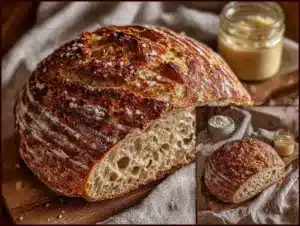
“Are you sure this is going to work without any kneading?” my skeptical partner asked, eyeing the sticky, shaggy bowl of dough on the counter. Honestly, I had my doubts too the first time I tried this easy no-knead overnight pizza dough recipe. I was tired from a long day, craving homemade pizza but not up for the usual elbow grease. So, I just mixed the ingredients, covered the bowl, and let it rest in the fridge overnight without doing a thing else.
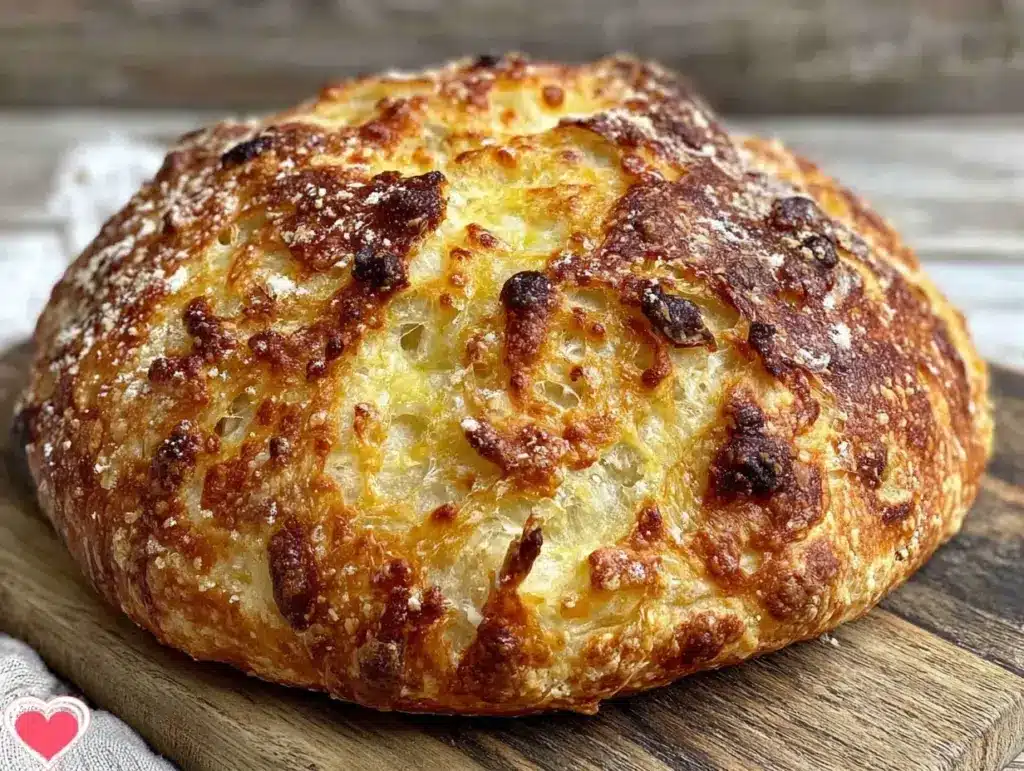
The next evening, I peeked into the bowl to find this bubbly, soft, and springy dough that practically begged for toppings. Sliding it onto a hot stone, I hesitated, expecting a flat, dense crust. But the oven worked its magic, and out came a pizza with a perfectly crisp, airy crust that had just the right chew. That first bite? It was a quiet little victory.
Since then, this easy no-knead overnight pizza dough became my go-to when I want that fresh-from-the-pizzeria crust without the fuss. It’s like having a pizza chef on standby in your fridge, ready to deliver a perfect crust whenever you want. No mess, no stress, just dough that works with your schedule and tastes like a dream.
Maybe it’s the slow fermentation that builds flavor or just the simplicity of letting nature do the work, but this recipe stuck with me for good. It’s my secret weapon for effortless homemade pizza nights, even when I’m juggling a busy week. And honestly, it’s hard to go back once you’ve tasted crust this good — no kneading required.
Why You’ll Love This Recipe
This easy no-knead overnight pizza dough recipe isn’t just a shortcut — it’s a small kitchen miracle I’ve tested over and over. The slow rise overnight creates a crust with incredible flavor and texture that’s hard to beat. Here’s why it’s become a staple in my kitchen:
- Quick & Easy: Just mix, cover, and refrigerate. It takes under 10 minutes to prepare, and the fridge does the hard work while you sleep or focus on life.
- Simple Ingredients: Flour, water, yeast, salt, and a touch of olive oil — all pantry staples that you probably already have on hand.
- Perfect for Weeknight Dinners: No need to plan a whole afternoon for dough prep. Make it the night before and bake fresh pizza in under 20 minutes.
- Crispy Yet Chewy Crust: The texture is spot on — crispy edges with a tender, airy crumb that holds toppings beautifully.
- Great for Entertaining: Whether it’s a casual family dinner or friends dropping by unexpectedly, this dough can handle big or small pizzas without breaking a sweat.
Unlike traditional dough recipes that require vigorous kneading and precise timing, this recipe embraces patience and simplicity. The slow, cold fermentation in the fridge does all the flavor-building, resulting in a crust that tastes like it’s been crafted by a pro.
Plus, it pairs amazingly with a variety of toppings — from classic margherita to more adventurous combinations. If you’ve enjoyed making dishes like the creamy classic hummus or the creamy baked crab dip, you’ll appreciate how this dough provides the perfect base to showcase your favorite flavors.
Honestly, once you try this easy no-knead overnight pizza dough, you might never go back to anything else.
What Ingredients You Will Need
For this easy no-knead overnight pizza dough, the magic lies in a few simple, quality ingredients that work together to create that perfect crust. Nothing fancy, just good staples that probably live in your pantry already.
- All-purpose flour – 3 1/2 cups (440g). I prefer unbleached for a cleaner flavor and better texture, but regular all-purpose works just fine.
- Warm water – 1 1/2 cups (360ml), around 105°F to 110°F (40-43°C). Warm but not hot — this wakes the yeast without killing it.
- Active dry yeast – 1 teaspoon (about 3g). I use Fleischmann’s for consistent results.
- Salt – 1 1/2 teaspoons (9g). Fine sea salt or kosher salt both work well; it balances the flavors perfectly.
- Olive oil – 2 tablespoons (30ml), plus extra for greasing. Use a good quality extra virgin olive oil if you can; it adds a subtle richness.
Optional but handy:
- Semolina flour or cornmeal – for dusting your pizza peel or pan to prevent sticking and add a bit of crunch to the bottom crust.
- Herbs or garlic powder – if you want to add a subtle flavor boost to the dough itself.
If you want a gluten-free option, you can swap the all-purpose flour with a gluten-free blend designed for bread baking, though texture will vary a bit. For a dairy-free or vegan pizza, this dough is already perfect as is.
The ingredients list is straightforward but, trust me, the results are anything but ordinary. This dough is all about letting the ingredients do their thing over time without fuss. It’s the kind of recipe where patience really pays off.
Equipment Needed
- Large mixing bowl: Ideally glass or stainless steel, big enough to hold the dough as it doubles in size.
- Measuring cups and spoons: For precise ingredient amounts — baker’s scale optional but helpful for accuracy.
- Plastic wrap or a clean kitchen towel: To cover the dough during fermentation and prevent drying out.
- Pizza stone or baking sheet: A pizza stone gives that crisp crust, but a heavy-duty baking sheet works well if you don’t have one.
- Pizza peel or flat baking tray: To transfer your dough onto the hot stone or pan. Dust with semolina flour to avoid sticking.
- Oven mitts: For safely handling hot equipment.
If you don’t have a pizza stone, no worries — I’ve used cast iron skillets and even inverted baking sheets with excellent results. Just preheat your oven fully to help mimic that restaurant-style crust. For a budget-friendly option, a simple heavy baking sheet flipped upside down works surprisingly well.
Personally, I’ve found that keeping a dedicated pizza stone in the oven at all times makes weeknight pizza nights a breeze. Just slide the dough right on and bake!
Preparation Method
- Mix the yeast and water: In a large mixing bowl, sprinkle 1 teaspoon of active dry yeast over 1 1/2 cups (360ml) of warm water (105°F to 110°F). Let it sit for 5-10 minutes until it’s foamy and bubbly — this means the yeast is alive and ready.
- Add flour, salt, and olive oil: To the yeast mixture, add 3 1/2 cups (440g) of all-purpose flour, 1 1/2 teaspoons (9g) of salt, and 2 tablespoons (30ml) of olive oil. Stir everything together with a wooden spoon or spatula until the dough just comes together. It will be sticky and shaggy — don’t worry, that’s exactly right.
- Cover and refrigerate: Cover the bowl tightly with plastic wrap or a clean kitchen towel. Place it in the refrigerator and let it ferment overnight — anywhere from 12 to 24 hours. The slow rise develops flavor and texture without any kneading.
- Remove and warm the dough: About 1 to 2 hours before baking, take the dough out of the fridge and let it come to room temperature. This makes it easier to stretch and shape.
- Shape the dough: Lightly flour your work surface and gently turn the dough onto it. With floured hands, shape it into a round ball or divide it into smaller portions if you want individual pizzas. Avoid overworking the dough; just stretch it gently into a circle about 12 inches (30 cm) wide.
- Prepare the oven and baking surface: Place your pizza stone or baking sheet in the oven and preheat to 500°F (260°C) for at least 30 minutes. This ensures a hot surface for a crisp crust.
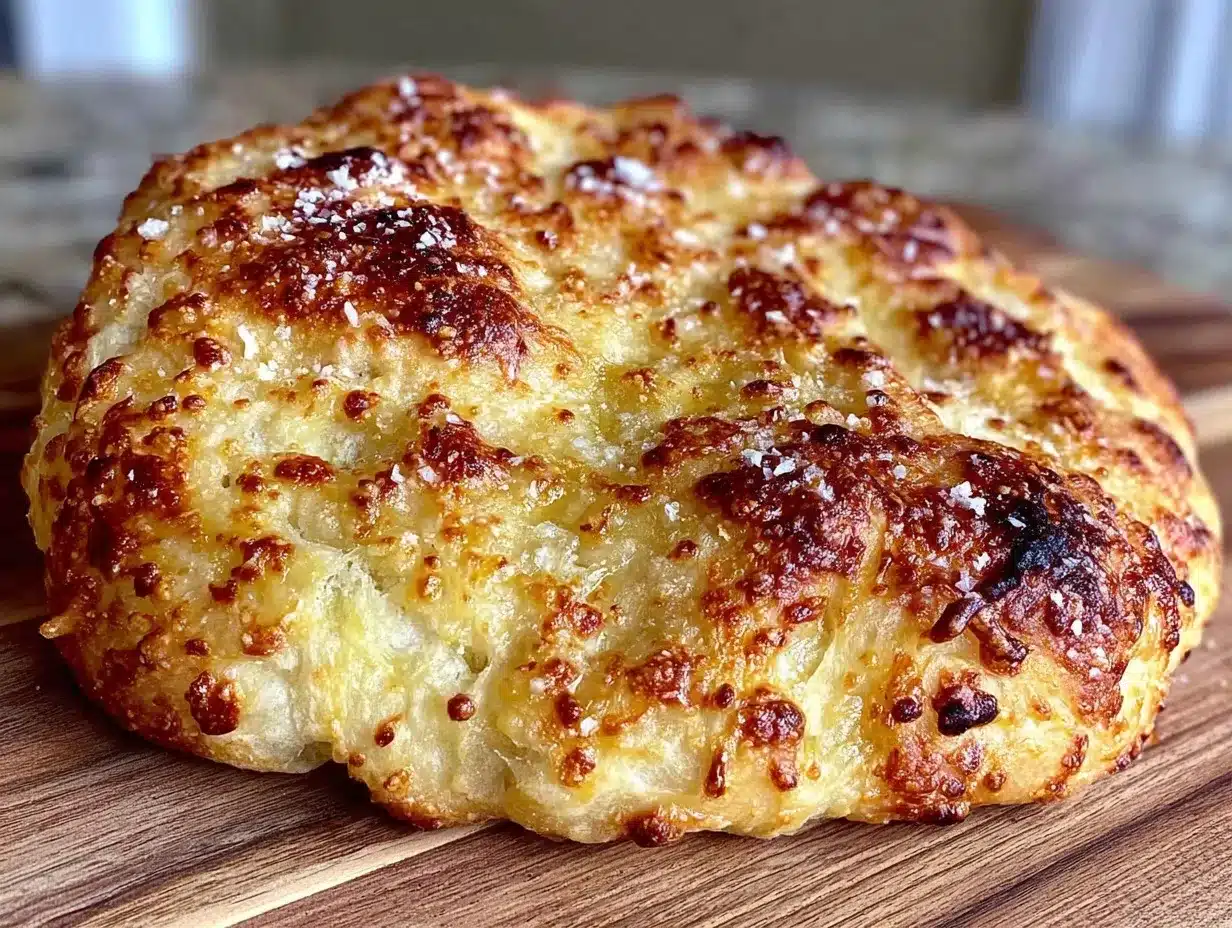
- Add toppings and bake: If you have a pizza peel, dust it with semolina flour and transfer the shaped dough onto it. Add your favorite sauce, cheese, and toppings quickly, then slide the pizza onto the hot stone or baking sheet. Bake for 10-15 minutes until the crust is golden and crispy and the cheese is bubbly and browned in spots.
- Cool and serve: Let the pizza rest for a few minutes before slicing. This helps the crust set and makes cutting easier.
Quick tip: If your dough feels too sticky to handle, flour your hands generously but avoid adding too much flour to the dough itself — it can make the crust tough. The dough should be soft and slightly tacky but manageable.
Also, if you want to speed up the process, you can let the dough rise at room temperature for 2-3 hours instead of overnight, but the flavor and texture won’t be quite as developed.
After a few tries, you’ll get a feel for how your dough behaves in your kitchen’s temperature and humidity — that’s when the real fun begins.
Cooking Tips & Techniques
One of the most important secrets to a crispy pizza crust is the oven temperature. Cranking your oven up to 500°F (260°C) or higher and preheating your pizza stone or baking sheet for at least 30 minutes ensures the dough hits a hot surface, which creates that beautiful blistered crust.
I’ve learned that patience during the dough’s cold fermentation is key — the longer, the better, up to 24 hours. This slow rise lets the yeast develop complex flavors and improves the dough’s elasticity without any kneading.
Handling sticky dough can be intimidating, but lightly oiling your hands instead of adding extra flour helps keep the dough moist and airy. Don’t press or punch down the dough harshly; gentle stretching preserves those precious air pockets.
Another tip: for perfectly bubbly cheese, add it halfway through baking or broil the pizza for the last 1-2 minutes. This prevents burning and gives a nice golden finish.
And honestly, getting yourself a pizza peel makes transferring the dough in and out of the oven way easier — I’ve had a few dough disasters sliding pizzas onto cold pans before, and it’s no fun.
If you want to multitask, prepare your toppings while the oven preheats, so you can assemble and bake quickly. This keeps the dough from over-proofing at room temperature and ensures a crisp crust.
Variations & Adaptations
This easy no-knead overnight pizza dough is incredibly versatile. Here are some ideas to switch things up or cater to dietary needs:
- Whole wheat dough: Substitute half the all-purpose flour with whole wheat flour for a nuttier, heartier crust. You might need a touch more water to keep it pliable.
- Herb-infused dough: Add 1 teaspoon of dried oregano or rosemary into the dry ingredients for an aromatic twist that complements Italian toppings.
- Gluten-free option: Use a gluten-free flour blend designed for bread baking. Expect a slightly different texture, but it still works well for homemade pizza.
- Quick-rise method: For same-day baking, increase yeast to 2 teaspoons and let the dough rise at room temperature for 2-3 hours. The flavor won’t be as deep but it’s a handy shortcut.
- Stuffed crust: Before baking, fold in mozzarella sticks around the edge of the dough for a cheesy surprise in every bite.
Once, I tried adding garlic powder to the dough and paired the pizza with the Italian marinated olives from the blog — it was an easy, flavorful combo that impressed my dinner guests.
Serving & Storage Suggestions
Serve your homemade pizza hot from the oven for the best experience. Let it rest for a few minutes before slicing to keep the crust crisp and toppings settled.
Pair your pizza with simple sides like a fresh green salad or even some easy-to-make appetizers like the creamy deviled eggs for a full meal that feels special but effortless.
If you have leftovers, wrap slices tightly in plastic wrap or store in an airtight container in the fridge for up to 3 days. Reheat in a skillet or oven at 375°F (190°C) to revive that crispy crust — microwaving tends to make it soggy.
You can also freeze unbaked shaped dough balls for up to 3 months. Thaw overnight in the fridge and let come to room temperature before topping and baking. This makes for a handy pizza dough stash ready whenever cravings hit.
Over time, the flavors in the dough deepen, especially if you let it ferment closer to 24 hours. It’s one of those recipes that rewards a little patience with big taste dividends.
Nutritional Information & Benefits
This pizza dough is straightforward and wholesome, made from simple ingredients without preservatives or additives. One serving (roughly 1/6 of the dough) contains approximately:
| Nutrient | Amount |
|---|---|
| Calories | 180 |
| Carbohydrates | 36g |
| Protein | 5g |
| Fat | 3g |
| Sodium | 300mg |
Using olive oil adds heart-healthy monounsaturated fats, and the slow fermentation improves digestibility for some people sensitive to yeast or gluten. This dough is naturally free from dairy and eggs, making it suitable for many dietary needs. For a gluten-free twist, swap the flour as mentioned earlier.
From a wellness perspective, baking your own dough lets you control ingredients and avoid unnecessary processing — a small step toward cleaner, more mindful eating.
Conclusion
This easy no-knead overnight pizza dough recipe is proof that sometimes the simplest approach gives the best results. It’s a recipe that fits into busy lives without compromising on that perfect crust you crave. You can customize it, adapt it, and make it your own — whether you’re feeding a family or cooking for one.
For me, it’s always been about the quiet satisfaction of pulling a golden, crispy pizza from my oven after a long day. The dough’s forgiving nature means even less experienced bakers can win, and that’s a confidence boost in itself.
Give it a try, tweak it to suit your taste, and enjoy homemade pizza nights that feel special without the fuss. And hey, if you love a good dip alongside your pizza, the creamy classic hummus makes a fantastic snack to start your meal on the right note.
Can’t wait to hear how your pizza turns out — don’t hesitate to share your tips and toppings!
Frequently Asked Questions
Can I make this dough without yeast?
This recipe relies on yeast for the rise and flavor. Without yeast, the dough won’t develop its airy texture or taste. For a yeast-free option, you’d need a different recipe entirely.
How long can I keep the dough in the fridge?
The dough can safely ferment for up to 24 hours in the refrigerator. Beyond that, it may become over-fermented and lose structure.
Can I freeze the dough after mixing?
Yes! Shape the dough into balls, lightly oil them, and freeze in airtight bags for up to 3 months. Thaw overnight in the fridge before using.
What if my dough is too sticky to handle?
Keep your hands and surface lightly floured, but avoid adding too much flour to the dough. You can also oil your hands to prevent sticking while stretching.
Can I bake this dough without a pizza stone?
Absolutely. Use a heavy baking sheet or cast iron skillet preheated in the oven. The crust won’t be quite as crisp but still delicious.
Pin This Recipe!
Easy No-Knead Overnight Pizza Dough Recipe for the Perfect Crispy Crust

This easy no-knead overnight pizza dough recipe creates a bubbly, soft, and springy dough with a perfectly crisp, airy crust. It requires minimal effort and slow fermentation for great flavor and texture.
- Prep Time: 10 minutes
- Cook Time: 15 minutes
- Total Time: 12 to 24 hours 25 minutes
- Yield: 1 large pizza or 2 smaller pizzas (about 6 servings total) 1x
- Category: Main Course
- Cuisine: Italian
Ingredients
- 3 1/2 cups (440g) all-purpose flour
- 1 1/2 cups (360ml) warm water (105°F to 110°F)
- 1 teaspoon (about 3g) active dry yeast
- 1 1/2 teaspoons (9g) salt
- 2 tablespoons (30ml) olive oil, plus extra for greasing
- Optional: semolina flour or cornmeal for dusting
- Optional: herbs or garlic powder for flavor boost
Instructions
- In a large mixing bowl, sprinkle 1 teaspoon of active dry yeast over 1 1/2 cups (360ml) of warm water (105°F to 110°F). Let it sit for 5-10 minutes until foamy and bubbly.
- Add 3 1/2 cups (440g) all-purpose flour, 1 1/2 teaspoons (9g) salt, and 2 tablespoons (30ml) olive oil to the yeast mixture. Stir until the dough just comes together; it will be sticky and shaggy.
- Cover the bowl tightly with plastic wrap or a clean kitchen towel. Refrigerate and ferment overnight for 12 to 24 hours.
- About 1 to 2 hours before baking, remove the dough from the fridge and let it come to room temperature.
- Lightly flour your work surface and gently turn the dough onto it. Shape into a round ball or divide into smaller portions. Stretch gently into a 12-inch (30 cm) circle.
- Place a pizza stone or baking sheet in the oven and preheat to 500°F (260°C) for at least 30 minutes.
- Dust a pizza peel with semolina flour and transfer the shaped dough onto it. Add sauce, cheese, and toppings quickly.
- Slide the pizza onto the hot stone or baking sheet. Bake for 10-15 minutes until crust is golden and crispy and cheese is bubbly and browned.
- Let the pizza rest for a few minutes before slicing to help the crust set.
Notes
If dough is too sticky, flour hands lightly or oil them instead of adding flour to dough. For quicker rise, increase yeast to 2 teaspoons and let rise 2-3 hours at room temperature but flavor will be less developed. Dough can be frozen for up to 3 months. Preheat oven and stone for at least 30 minutes at 500°F for best crust. Use semolina or cornmeal to prevent sticking.
Nutrition
- Serving Size: Approximately 1/6 of
- Calories: 180
- Sodium: 300
- Fat: 3
- Carbohydrates: 36
- Protein: 5
Keywords: no-knead pizza dough, overnight pizza dough, easy pizza crust, homemade pizza, crispy pizza crust, no kneading, slow fermentation