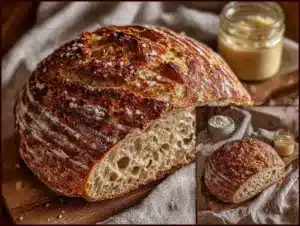
“You’re actually making croissants? From scratch?” That’s what my friend Lisa blurted out the first time I mentioned it. Honestly, I was a bit skeptical myself—croissants seemed like some magical French bakery secret, reserved for professionals and fancy kitchens. But one sleepy Saturday morning, armed with nothing but curiosity and a stubborn craving for buttery, flaky layers, I gave it a shot.
The kitchen smelled faintly of warm butter and yeast as I rolled out the dough for the third time that week (yes, I was hooked fast). It wasn’t perfect—there were moments when the dough threatened to tear, and my counters were dusted with flour like a winter snowstorm. But the end result? Crispy, shatteringly flaky croissants that broke apart like delicate shards, sending buttery crumbs everywhere.
What surprised me most was how this recipe, despite its reputation, became a comforting ritual rather than a daunting task. The slow rise, the gentle folding of butter into dough, the patient waiting—it all felt strangely grounding, like a quiet moment in a noisy world. And sharing those croissants, warm from the oven, with a smear of jam or alongside a cup of strong coffee, turned out to be a little celebration in itself.
This recipe stuck with me because it’s not just about making pastry; it’s about savoring the process and trusting that with a bit of patience, you can create something truly special at home. If you’ve ever been intimidated by croissants but secretly wished you could master them, this is your gentle invitation to try. The reward is worth every fold and crumb.
Why You’ll Love This Crispy Shatteringly Flaky Croissants from Scratch Recipe
After weeks of testing, tweaking, and a few flour-covered mishaps, I’m confident this homemade croissant recipe stands out for several reasons. It’s been my go-to when I want bakery-quality croissants without leaving the house or breaking the bank.
- Quick & Easy: While croissants are traditionally a labor of love, this recipe comes together in under 4 hours, including resting times—perfect for a leisurely weekend morning or a semi-spontaneous brunch.
- Simple Ingredients: No obscure additives—just flour, butter, yeast, milk, sugar, and salt. You probably have these staples in your pantry already.
- Perfect for Brunch or Special Mornings: Whether it’s a lazy weekend or a holiday treat, these croissants impress with minimal fuss.
- Crowd-Pleaser: Friends and family have consistently asked for the recipe after tasting these flaky beauties. Kids love the buttery layers, and adults appreciate the authentic texture.
- Unbelievably Delicious: The texture balances crispiness and tender flakiness, with that unmistakable buttery aroma that fills the kitchen and lingers in the air.
What sets this recipe apart is the folding technique that creates ultra-thin layers of butter and dough, resulting in that signature shatteringly flaky texture. Instead of complicated pastry dough tricks, I focus on a straightforward method that anyone can follow, with tips from my own trial and error journey.
This recipe isn’t just a pastry; it’s a little moment of joy baked into your day. You’ll close your eyes at that first bite, savoring the crisp crackle and soft, buttery inside. It’s the kind of treat that makes mornings feel special and reminds you why homemade truly beats store-bought.
What Ingredients You Will Need
This recipe uses simple, wholesome ingredients to deliver bold flavor and that satisfying flaky texture without fussing over hard-to-find items. Most are pantry staples, and substitutions are easy if you need to tweak for dietary preferences.
- All-Purpose Flour – 3 ½ cups (440 g), for a sturdy but tender dough (King Arthur Flour works great here)
- Unsalted Butter – 1 ¼ cups (285 g), cold and cut into slabs for laminating the dough (I prefer European-style butter for richness)
- Whole Milk – ¾ cup (180 ml), warmed slightly, helps activate the yeast and tenderize dough
- Active Dry Yeast – 2 ¼ teaspoons (1 packet), the magic that makes your dough rise and puff
- Granulated Sugar – 3 tablespoons (38 g), just enough to balance the buttery richness
- Salt – 1 ½ teaspoons (9 g), enhances flavor and strengthens the dough structure
- Cold Water – ¼ cup (60 ml), for dough hydration and balance
Ingredient Tips: Use cold butter straight from the fridge to create those perfect layers. If you prefer a dairy-free option, substitute milk with almond or oat milk and use a plant-based butter alternative. For a gluten-free twist, try a blend of gluten-free flours, though the texture will vary.
For a seasonal note, you might add a pinch of cinnamon or swap sugar for honey to add subtle warmth and sweetness. If you’re curious about variations, I’ve tried incorporating a bit of rye flour for earthiness, which worked beautifully.
Equipment Needed
- Mixing Bowls: For combining ingredients and proofing the dough.
- Rolling Pin: Essential for rolling out dough and butter layers evenly. A heavy wooden rolling pin works best for smooth, consistent pressure.
- Baking Sheet: A rimmed baking sheet to support the croissants as they bake. Line with parchment paper to prevent sticking.
- Dough Scraper: Helpful for handling sticky dough and making clean folds.
- Kitchen Scale: Optional but recommended to measure ingredients precisely, especially flour and butter for consistent results.
- Plastic Wrap: For chilling the dough between folds, which is key to maintaining distinct layers.
If you don’t have a dough scraper, a sturdy spatula or even a butter knife can work in a pinch. For rolling pins, a smooth, non-stick surface helps prevent dough from sticking, but lightly flouring your workspace does the trick too. I once used a clean wine bottle when I forgot my rolling pin—desperate times, you know?
Preparation Method

- Activate the Yeast (10 minutes): In a small bowl, combine warm milk (about 110°F/43°C) with sugar and yeast. Stir gently and let it sit until foamy and bubbly, about 5-10 minutes. This tells you the yeast is alive and ready to work.
- Make the Dough (10 minutes): In a large mixing bowl, whisk together the all-purpose flour and salt. Add the yeast mixture and cold water. Stir until the dough just comes together. It will be slightly sticky but manageable.
- Knead the Dough (8-10 minutes): Transfer dough to a lightly floured surface and knead until smooth and elastic. You’ll notice it becomes less sticky and more pliable. Wrap the dough in plastic wrap and chill in the fridge for 30 minutes. Chilling firms up the dough, making it easier to roll later.
- Prepare the Butter Block (5 minutes): While the dough chills, place the cold butter slabs between two sheets of parchment paper. Use the rolling pin to beat and roll the butter into a flat rectangle, about 7×10 inches (18×25 cm). Chill the butter block in the fridge if it softens too much.
- Laminate the Dough (40 minutes total including chilling): Roll the chilled dough into a rectangle roughly 10×15 inches (25×38 cm). Place the butter block on one half of the dough and fold the other half over it, sealing the edges. Roll the dough out gently to about 20×10 inches (50×25 cm). Fold the dough into thirds like a letter (this is called a “turn”). Wrap in plastic and chill for 20 minutes. Repeat this rolling and folding two more times, chilling 20 minutes after each turn. This layering creates the flaky texture.
- Shape the Croissants (15 minutes): After the final chill, roll the dough into a large rectangle about ¼ inch (6 mm) thick. Cut triangles with a base of 4 inches (10 cm). Starting at the base, roll each triangle tightly toward the tip, forming a crescent shape. Place on a parchment-lined baking sheet, point side down.
- Proof the Croissants (1-2 hours): Let the shaped croissants rise at room temperature until nearly doubled in size and puffy, about 1-2 hours depending on warmth. They should feel soft but not sticky.
- Preheat Oven and Bake (18-22 minutes): Preheat your oven to 400°F (200°C). Brush croissants lightly with an egg wash (1 beaten egg mixed with 1 tbsp water) for that golden, glossy finish. Bake in the center rack until deep golden brown and crisp, about 18-22 minutes. Let cool slightly before enjoying.
During lamination, watch the dough carefully: if the butter starts melting or breaking through, return it to the fridge to firm up. The dough should always feel cool and smooth before rolling out again. When shaping, don’t roll too tightly or you risk compressing the layers.
This step-by-step approach balances patience and technique, making a seemingly complex pastry surprisingly accessible. It’s also a great time to listen to music or have a podcast playing—croissant-making is a bit of a slow dance, and you might as well enjoy it!
Cooking Tips & Techniques
Getting those perfect crispy, shatteringly flaky croissants isn’t just about following steps; it’s about understanding the little details that make a big difference.
- Butter Temperature Matters: Your butter should be cold but pliable—not rock hard or melting. Too warm, and it seeps out of the dough; too cold, and it cracks the dough layers.
- Keep Everything Cool: If your kitchen is warm, chill your dough more often. I once ruined a batch by pushing through on a hot day—croissants turned out dense, not flaky.
- Don’t Rush Proofing: Let croissants rise until they’re puffy but not overproofed. Overproofed pastries collapse and lose that beautiful structure.
- Use Egg Wash for Color and Crunch: Brushing croissants with egg wash before baking gives a shiny, golden crust with added crispiness.
- Watch Oven Temperature: A hot oven (400°F/200°C) is key to that quick puff and crisp crust. Avoid opening the door early to keep the heat steady.
I learned these tips the hard way after a few batches that were either too doughy or too greasy. Now, I trust the process but stay attentive to these little cues. Also, multitasking during chill times with prep for a simple creamy deviled eggs or a quick Italian marinated olives can make the whole brunch feel effortless.
Variations & Adaptations
While the classic croissant dough is divine on its own, there’s plenty of room to play around with flavors and dietary tweaks.
- Chocolate Croissants: Place a strip of dark chocolate at the base of each triangle before rolling for a luscious surprise inside.
- Herb & Cheese Croissants: Add a sprinkle of grated Gruyère and fresh thyme before rolling for a savory twist—perfect for brunch or snack time.
- Gluten-Free Version: Use a gluten-free all-purpose flour blend and xanthan gum. Keep in mind the texture will be softer and less flaky but still delicious.
- Dairy-Free Option: Swap out butter for vegan butter and use almond or oat milk instead of dairy milk.
- Whole Wheat Addition: Replace half the all-purpose flour with whole wheat pastry flour for a nuttier flavor and more fiber.
I’ve tried adding a dash of cinnamon and sugar on top before baking for a sweet treat that pairs well with warm fruit compote. It’s a simple way to turn your croissants into a comforting dessert.
Serving & Storage Suggestions
Serve croissants warm or at room temperature for the best texture and flavor. They’re fantastic with just butter or jam, alongside a strong coffee or a rich hot chocolate.
For a more savory spread, pair them with creamy dips like the classic hummus or a soft cheese plate.
Storage: Store any leftovers in an airtight container at room temperature for up to 2 days. For longer storage, wrap croissants tightly in plastic wrap and freeze for up to 1 month.
Reheating: To regain that crispness, bake frozen or refrigerated croissants in a 350°F (175°C) oven for 5-8 minutes. Avoid microwaving or they’ll lose their flakiness.
Flavors deepen slightly after a day, making them just as delightful the next morning with a fresh cup of tea or alongside a hearty breakfast like scrambled eggs or even the creamy baked crab dip for a brunch twist.
Nutritional Information & Benefits
Each croissant (medium size) roughly contains:
| Calories | 280 |
|---|---|
| Fat | 16g (mostly from butter) |
| Carbohydrates | 28g |
| Protein | 5g |
| Sodium | 250mg |
The butter provides healthy fats that contribute to that rich flavor and flaky texture, while the yeast offers a small boost in B vitamins. Using whole milk adds calcium and protein, making this a more satisfying pastry.
For those mindful of ingredients, you can adapt to lower fat versions or gluten-free flours, but honestly, the classic recipe is a treat best enjoyed in moderation. I see it as a special homemade indulgence, worth the time and care it takes.
Conclusion
Making crispy shatteringly flaky croissants from scratch might seem intimidating, but with a bit of patience and love, it’s a rewarding kitchen adventure. This recipe has been a steadfast favorite in my home—not just for the buttery, crisp layers but for the calming rhythm of dough and butter, rest and fold, roll and bake.
Feel free to tweak the flavors or try out the variations to make these croissants truly your own. Whether you’re serving them at brunch, gifting to friends, or simply enjoying a quiet morning treat, homemade croissants bring a slice of joy to any day.
I’d love to hear how your croissant journey goes—drop a comment or share your twists and tips. Here’s to flaky mornings and buttery bites!
Frequently Asked Questions
How long does it take to make croissants from scratch?
Including resting and proofing times, expect about 4 hours total. Most of that is hands-off chilling and rising, so it’s perfect to start in the morning and bake by lunchtime.
Can I use frozen butter for laminating the dough?
Butter should be cold but pliable, not frozen solid. If your butter is frozen, let it soften slightly before rolling to avoid cracking the dough.
Do I need a special flour for croissants?
All-purpose flour works well, but a flour with a moderate protein content (11-12%) gives better structure. Bread flour can be too tough, and cake flour too soft.
How do I store leftover croissants?
Keep them in an airtight container at room temperature for up to 2 days or freeze wrapped tightly for up to a month. Reheat in the oven to keep them crisp.
Can I make croissants without yeast?
Yeast is essential for authentic croissants’ rise and texture. Without it, you’ll get a flat, dense pastry instead of flaky layers.
Pin This Recipe!

Crispy Shatteringly Flaky Croissants from Scratch Easy Homemade Recipe

This recipe guides you through making bakery-quality croissants at home with simple ingredients and a straightforward method, resulting in crispy, flaky, buttery layers perfect for brunch or special mornings.
- Prep Time: 1 hour 10 minutes
- Cook Time: 18-22 minutes
- Total Time: 4 hours
- Yield: 12 croissants 1x
- Category: Breakfast, Brunch, Pastry
- Cuisine: French
Ingredients
- 3 ½ cups (440 g) all-purpose flour
- 1 ¼ cups (285 g) unsalted butter, cold and cut into slabs
- ¾ cup (180 ml) whole milk, warmed slightly
- 2 ¼ teaspoons (1 packet) active dry yeast
- 3 tablespoons (38 g) granulated sugar
- 1 ½ teaspoons (9 g) salt
- ¼ cup (60 ml) cold water
Instructions
- Activate the Yeast (10 minutes): In a small bowl, combine warm milk (about 110°F/43°C) with sugar and yeast. Stir gently and let it sit until foamy and bubbly, about 5-10 minutes.
- Make the Dough (10 minutes): In a large mixing bowl, whisk together the all-purpose flour and salt. Add the yeast mixture and cold water. Stir until the dough just comes together. It will be slightly sticky but manageable.
- Knead the Dough (8-10 minutes): Transfer dough to a lightly floured surface and knead until smooth and elastic. Wrap the dough in plastic wrap and chill in the fridge for 30 minutes.
- Prepare the Butter Block (5 minutes): Place the cold butter slabs between two sheets of parchment paper. Use the rolling pin to beat and roll the butter into a flat rectangle, about 7×10 inches (18×25 cm). Chill if it softens too much.
- Laminate the Dough (40 minutes total including chilling): Roll the chilled dough into a rectangle roughly 10×15 inches (25×38 cm). Place the butter block on one half and fold the other half over it, sealing the edges. Roll out gently to about 20×10 inches (50×25 cm). Fold into thirds (a “turn”). Wrap in plastic and chill for 20 minutes. Repeat rolling, folding, and chilling two more times.
- Shape the Croissants (15 minutes): Roll the dough into a large rectangle about ¼ inch (6 mm) thick. Cut triangles with a 4-inch (10 cm) base. Roll each triangle tightly from base to tip to form crescents. Place on parchment-lined baking sheet, point side down.
- Proof the Croissants (1-2 hours): Let croissants rise at room temperature until nearly doubled and puffy, about 1-2 hours.
- Preheat Oven and Bake (18-22 minutes): Preheat oven to 400°F (200°C). Brush croissants with egg wash (1 beaten egg mixed with 1 tbsp water). Bake on center rack until deep golden brown and crisp, about 18-22 minutes. Let cool slightly before serving.
Notes
Use cold butter straight from the fridge for perfect layers. Keep dough and butter cool during lamination to prevent melting. Do not rush proofing to avoid dense croissants. Use egg wash for a golden, crispy crust. Reheat leftovers in a 350°F oven for 5-8 minutes to restore crispness. Variations include chocolate, herb & cheese, gluten-free, dairy-free, and whole wheat options.
Nutrition
- Serving Size: 1 medium croissant
- Calories: 280
- Sodium: 250
- Fat: 16
- Carbohydrates: 28
- Protein: 5
Keywords: croissants, flaky croissants, homemade croissants, buttery pastry, French pastry, laminated dough, brunch recipe, easy croissants