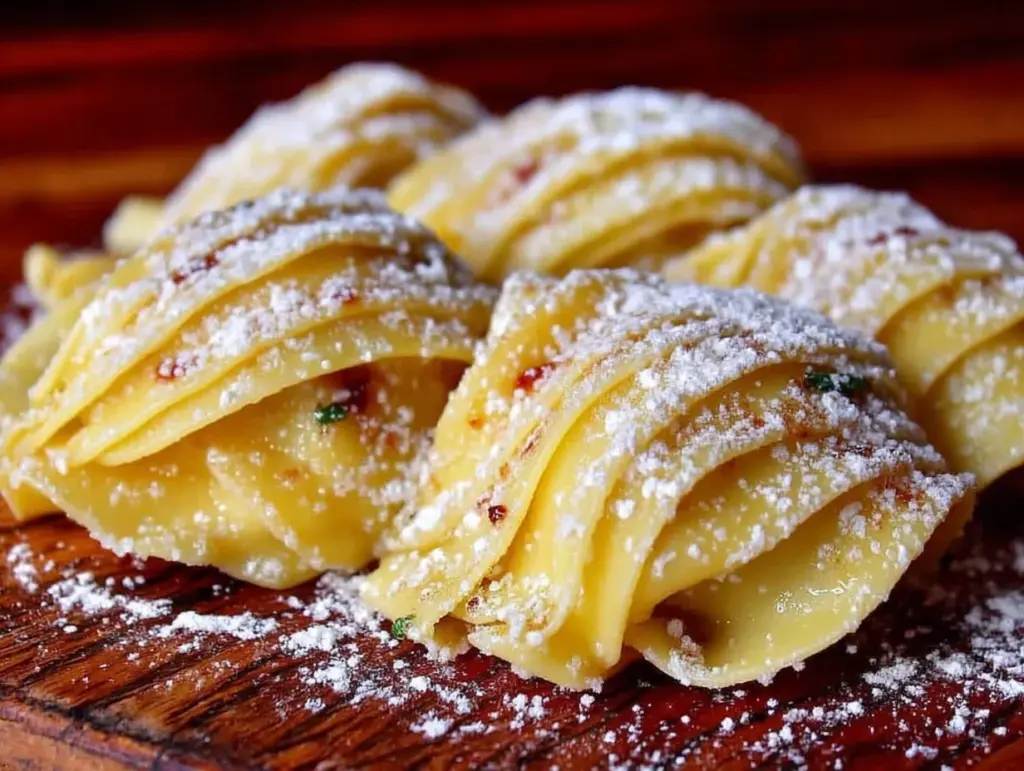
“You really don’t need a pasta machine for this,” my friend Lisa said one Saturday afternoon, tossing flour over the countertop like she owned the place. I was skeptical—honestly, I thought perfect homemade pasta sheets were something you needed fancy tools or a lot of patience for. But there we were, tackling dough with nothing but a rolling pin, some elbow grease, and a stubborn spirit. It wasn’t love at first try; the first batch was thick and a little uneven, but by the third, those silky, thin sheets started to take shape. It felt like magic was happening right there in the kitchen.
That afternoon turned into a bit of an obsession. I found myself making these perfect homemade pasta sheets every Saturday, tweaking the dough just a little, trying different flours, even experimenting with herbs folded in for a subtle flavor twist. The ritual settled into my weekend routine, a calming counterpoint to the usual chaos of everyday life. Plus, the smell—oh, the simple, warm scent of fresh pasta dough—it pulled me back every time.
Perfect homemade pasta sheets aren’t just about the end dish, you know. It’s the slow, tactile process that makes you appreciate every bite of lasagna or ravioli you build from scratch. And that quiet satisfaction, knowing you made something from the ground up, is why this recipe stuck with me. It’s not just pasta; it’s a small Saturday delight that feels like a little victory in the kitchen.
Why You’ll Love This Recipe
After countless weekends rolling out dough and tasting fresh pasta, I can say this perfect homemade pasta sheets recipe really hits the mark. It’s become my go-to for a few solid reasons that I think you’ll appreciate:
- Quick & Easy: You can get the dough from mixing to rolled sheets in about 30 minutes. No waiting around for hours—just straightforward steps that fit a busy weekend vibe.
- Simple Ingredients: Flour, eggs, a pinch of salt, and a little olive oil. That’s it! No exotic flours or weird additives. Odds are, you already have everything in your pantry.
- Perfect for Weekend Cooking: Whether you’re making lasagna for family dinner or fresh ravioli to impress guests, these pasta sheets provide that authentic homemade touch without the fuss.
- Crowd-Pleaser: Every time I’ve brought homemade pasta sheets to a potluck or casual dinner, people ask for the recipe. Kids love it too—there’s something about fresh pasta that feels special.
- Unbelievably Delicious: The texture is tender but substantial, with just the right bite. Once you taste fresh pasta sheets, you honestly won’t want to go back to boxed pasta.
What sets this recipe apart? It’s the balance of technique and ease. You don’t need fancy tools or endless time. I’ve tested this recipe with everything from all-purpose flour to a blend of semolina and found a sweet spot that produces sheets that are thin, flexible, and perfect for layering or folding. Plus, the dough handles beautifully—it’s forgiving if you’re new to pasta making.
Honestly, this recipe isn’t just about food—it’s a little weekend project that makes you slow down, enjoy the rhythm of cooking, and savor the results. It’s comfort food with a hands-on twist, a way to make Saturday feel just a bit more special.
What Ingredients You Will Need
This recipe uses simple, wholesome ingredients to deliver bold flavor and satisfying texture without the fuss. Most of these are pantry staples, which makes it easy to whip up fresh pasta sheets anytime the craving hits.
- All-purpose flour (about 2 cups / 250 grams) – The base of the dough, provides structure and chew. You can also try a 50/50 mix with semolina flour for more bite.
- Large eggs (3, room temperature) – Eggs add richness and help bind the dough together. If you want a lighter dough, swap one whole egg for two egg yolks.
- Olive oil (1 tablespoon) – Adds elasticity and a subtle fruity note. Use a good quality extra virgin olive oil for the best flavor.
- Salt (1 teaspoon) – Enhances flavor, don’t skip it!
- Optional:
- Semolina flour (up to 1 cup / 125 grams) – For a bit more texture and a slightly golden hue.
- Fresh herbs (like finely chopped basil or parsley, 1-2 tablespoons) – Folded into the dough for a subtle aroma and color pop.
- Water (a splash, if needed) – Sometimes the dough feels dry; add a teaspoon or two to bring it together.
I usually stick with King Arthur all-purpose flour because it gives consistent results. For semolina, I like Bob’s Red Mill brand—that grit really adds to the pasta’s mouthfeel. If you want gluten-free, try swapping the flour with a 1:1 gluten-free blend, but keep in mind the texture will be different.
Equipment Needed
You don’t need a fancy pasta maker to get these perfect homemade pasta sheets, but a few basic tools will make your life easier:
- Mixing bowl: For combining your ingredients. A large one that can handle the flour and eggs comfortably.
- Rolling pin: The unsung hero here. A sturdy rolling pin helps you roll out the dough thinly and evenly. If you don’t have one, a wine bottle works in a pinch.
- Bench scraper or knife: For cutting and handling dough pieces easily.
- Flour sifter or fine sieve: Useful for dusting your work surface to prevent sticking.
- Clean kitchen towel or plastic wrap: To cover the dough and keep it from drying out.
If you have a pasta machine, great! It can speed things up and help get ultra-thin sheets, but it’s not necessary. I’ve made this recipe plenty of times just with a rolling pin and a bit of patience (and honestly, that made it feel more rewarding).
Pro tip: Keep your rolling pin and work surface well floured but not overloaded, or the dough will stick and tear. It’s all about balance.
Preparation Method
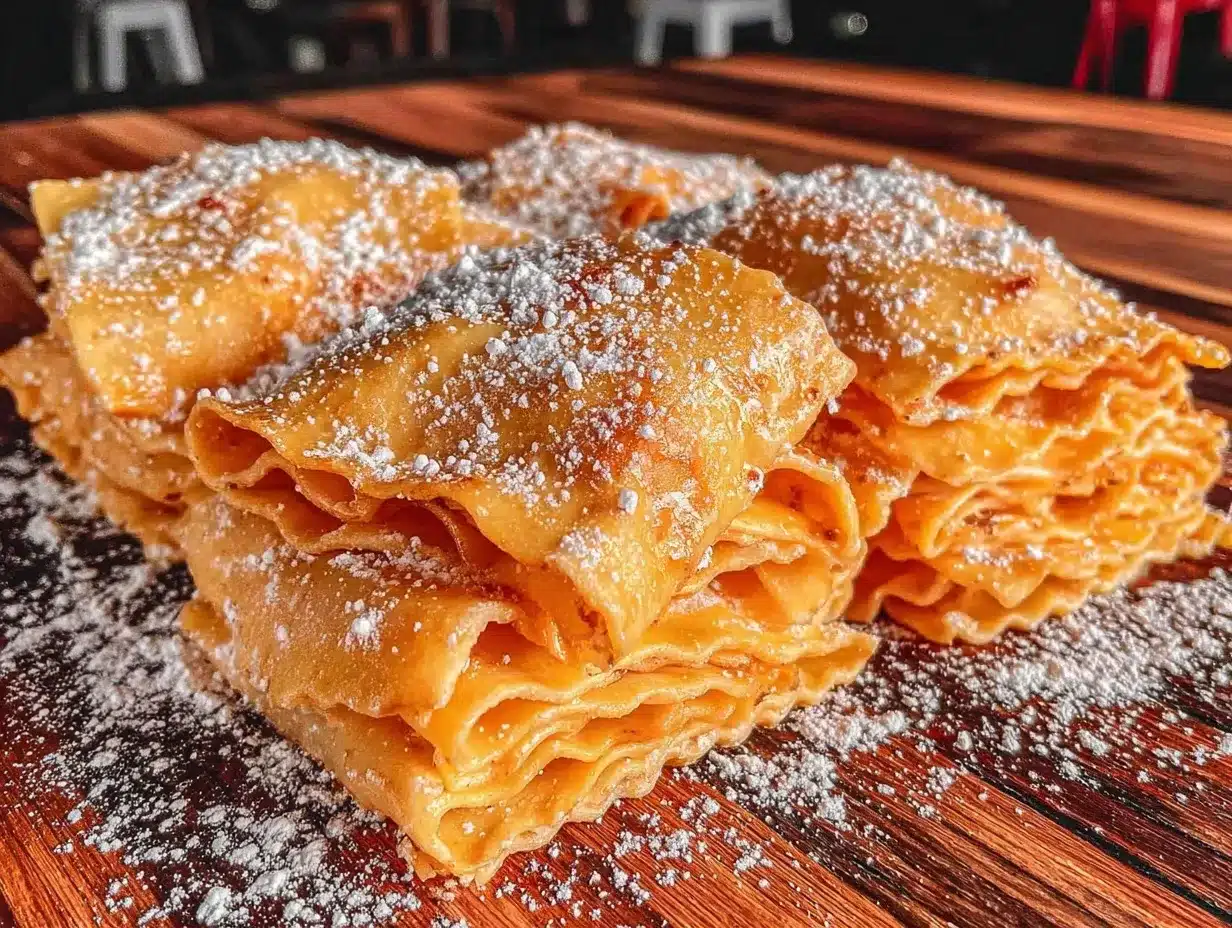
- Mix the dry ingredients: In a large bowl, whisk together the flour and salt until evenly combined. This helps distribute the salt and prevents clumps.
- Create a well and add eggs: Make a well in the center of the flour and crack in the eggs along with olive oil. Using a fork, gently start whisking the eggs, gradually incorporating flour from the edges. This slow incorporation is key to a smooth dough. (Time: about 5 minutes)
- Form the dough: Once the mixture starts coming together, use your hands to knead the dough in the bowl until it forms a shaggy ball. If it feels too dry, add a teaspoon of water at a time. If too sticky, sprinkle a bit more flour. Transfer the dough to a lightly floured surface.
- Knead the dough: Knead vigorously for about 8-10 minutes until the dough is smooth, elastic, and just slightly tacky but not sticky. You’ll know it’s ready when you press it with a finger and it springs back. (This step is crucial for developing gluten for that perfect bite.)
- Rest the dough: Wrap the dough ball in plastic wrap or cover with a damp towel and let it rest at room temperature for at least 30 minutes. This relaxes the gluten, making rolling easier and preventing shrinkage.
- Roll out the dough: Cut the dough into 2 or 3 equal pieces to make it easier to handle. Lightly flour your work surface and roll each piece out with your rolling pin, turning and flipping often, until sheets are thin enough to be almost translucent (about 1-2 millimeters thick). Here, patience pays off. If the dough resists, let it rest a few more minutes and try again.
- Cut and use: Depending on your intended dish, cut pasta sheets to size—lasagna noodles, ravioli wrappers, or broad sheets for layering. Use immediately or let dry slightly on a floured towel before cooking or storing.
One time, I rushed the resting step and ended up with dough that snapped back every time I tried rolling. Lesson learned: patience is pasta’s best friend.
Cooking Tips & Techniques
Making perfect homemade pasta sheets is part science, part feel. Here are some tips I’ve picked up along the way:
- Flour your surface lightly: Too much flour can dry the dough out, making sheets tough. Use just enough to prevent sticking.
- Keep the dough covered: Pasta dough dries out quickly. When you’re not working on a piece, keep it wrapped or covered with a damp cloth.
- Roll evenly: Turn your dough frequently and roll from the center outwards for uniform thickness. Uneven sheets cook unevenly.
- If the dough resists rolling: Let it rest longer. Resting relaxes gluten, making the dough more pliable.
- Test thickness: Hold the sheet up to the light—if it’s almost translucent and you can see your fingers through it, you’re golden.
- Work quickly after rolling: Fresh pasta dries fast, so either cook it right away or dry lightly before storing.
- Don’t overknead: Kneading too long can make the dough tough. Aim for smooth and elastic, not stiff.
Once, I tried skipping the olive oil and got a dough that was stubbornly dry and crumbly. That little bit of oil really makes the dough more supple and easier to roll.
Also, multitasking helps. While the dough rests, it’s a great time to prep fillings or sauces. I often make a quick marinara or fresh pesto to pair with my sheets—one of my favorites to use with these is the creamy rose sauce from a previous weekend dinner.
Variations & Adaptations
Perfect homemade pasta sheets are a great base to customize. Here are a few ways to switch things up:
- Herb-infused dough: Add finely chopped fresh herbs like basil, parsley, or chives directly into the dough for a subtle, aromatic twist.
- Spinach pasta sheets: Replace part of the flour with cooked, pureed spinach for color and nutrients. It’s a favorite for making vibrant green lasagna layers.
- Gluten-free option: Use a gluten-free flour blend designed for pasta. Texture will differ, but it works well if you need to avoid gluten.
- Whole wheat variation: Swap half the all-purpose flour with whole wheat for a nuttier flavor and more fiber.
- Alternative rolling methods: If you have a pasta machine, that’s great for super-thin sheets; alternatively, try hand-cutting for rustic, broad noodle shapes.
I once made a batch with a hint of saffron dissolved in the egg mixture—looked stunning and brought a lovely earthy aroma. It was a showstopper at a casual dinner party.
Serving & Storage Suggestions
Fresh pasta sheets are best enjoyed soon after making, but you can store them if needed. Serve warm with your favorite sauce or layered in lasagna for a real treat.
- Serving temperature: Cook fresh sheets in boiling salted water for 1-2 minutes until tender but still with a bite. Drain and toss with sauce immediately.
- Presentation ideas: Layer sheets with ricotta and spinach for a classic lasagna, or cut into squares for homemade ravioli filled with mushroom or cheese. Pair with a bright salad and a glass of crisp white wine.
- Storage: Let sheets dry slightly on a floured towel, then stack with parchment paper between layers and refrigerate for up to 2 days.
- Freezing: Freeze sheets flat on a baking sheet until solid, then transfer to a freezer bag. Use within 2 months. Thaw briefly before cooking.
- Reheating: Cook frozen or refrigerated sheets directly in boiling water, adding an extra 30 seconds to cooking time.
The flavors often deepen after resting a day, especially in layered dishes like lasagna. It’s worth making the sheets a day ahead if you can!
Nutritional Information & Benefits
Here’s an estimate per serving (based on 4 servings from this recipe):
| Calories | 220 |
|---|---|
| Protein | 8g |
| Carbohydrates | 35g |
| Fat | 5g |
| Fiber | 1.5g |
| Sodium | 200mg |
Eggs provide a good source of protein and essential amino acids, while olive oil adds heart-healthy fats. Using whole wheat or semolina flour boosts fiber and complex carbs for sustained energy. This recipe is naturally gluten-containing unless you opt for gluten-free flour blends. It’s free from added sugars and preservatives, making it a wholesome base for countless meals.
From a wellness perspective, making pasta from scratch lets you control the ingredients and avoid fillers or additives found in many store-bought options. Plus, the process encourages mindful eating and appreciation of simple, quality food.
Conclusion
This perfect homemade pasta sheets recipe has become a cornerstone of my weekend kitchen rituals. It’s not complicated, but it demands a bit of patience and love—and that makes all the difference. You’ll find the dough forgiving and the results rewarding, whether you’re layering a lasagna or crafting delicate ravioli.
Feel free to adjust the flour ratios, fold in herbs, or try different rolling techniques to make it your own. That’s the beauty of homemade pasta: it’s as flexible as your imagination.
Honestly, nothing beats the quiet satisfaction of fresh pasta on your plate, made by your own hands. If you’re looking for a satisfying culinary project that brings joy and flavor to your Saturday, this is it.
Give it a try and share your experiences—I’d love to hear how you put your own spin on these perfect homemade pasta sheets. And if you’re interested in easy, crowd-pleasing starters to go with your pasta feast, my creamy baked crab dip is always a hit at parties.
Here’s to many delicious Saturdays ahead!
FAQs About Perfect Homemade Pasta Sheets
How thin should I roll the pasta sheets?
Aim for about 1-2 millimeters thickness. The sheet should be almost translucent when you hold it up to the light but still strong enough to handle without tearing.
Can I make pasta sheets ahead of time?
Yes! You can refrigerate them for up to 2 days or freeze them for a couple of months. Just be sure to separate sheets with parchment paper to prevent sticking.
What flour is best for homemade pasta sheets?
All-purpose flour works well, but mixing in semolina flour adds a nice texture and bite. For a nuttier taste, try half whole wheat flour.
Do I really need olive oil in the dough?
Olive oil helps make the dough more pliable and adds a subtle flavor. You can omit it, but the dough might be a bit tougher to work with.
Can I use a pasta machine instead of rolling by hand?
Absolutely! A pasta machine can speed up the rolling process and help you get thinner, more even sheets, but it’s not required for great results.
Pin This Recipe!
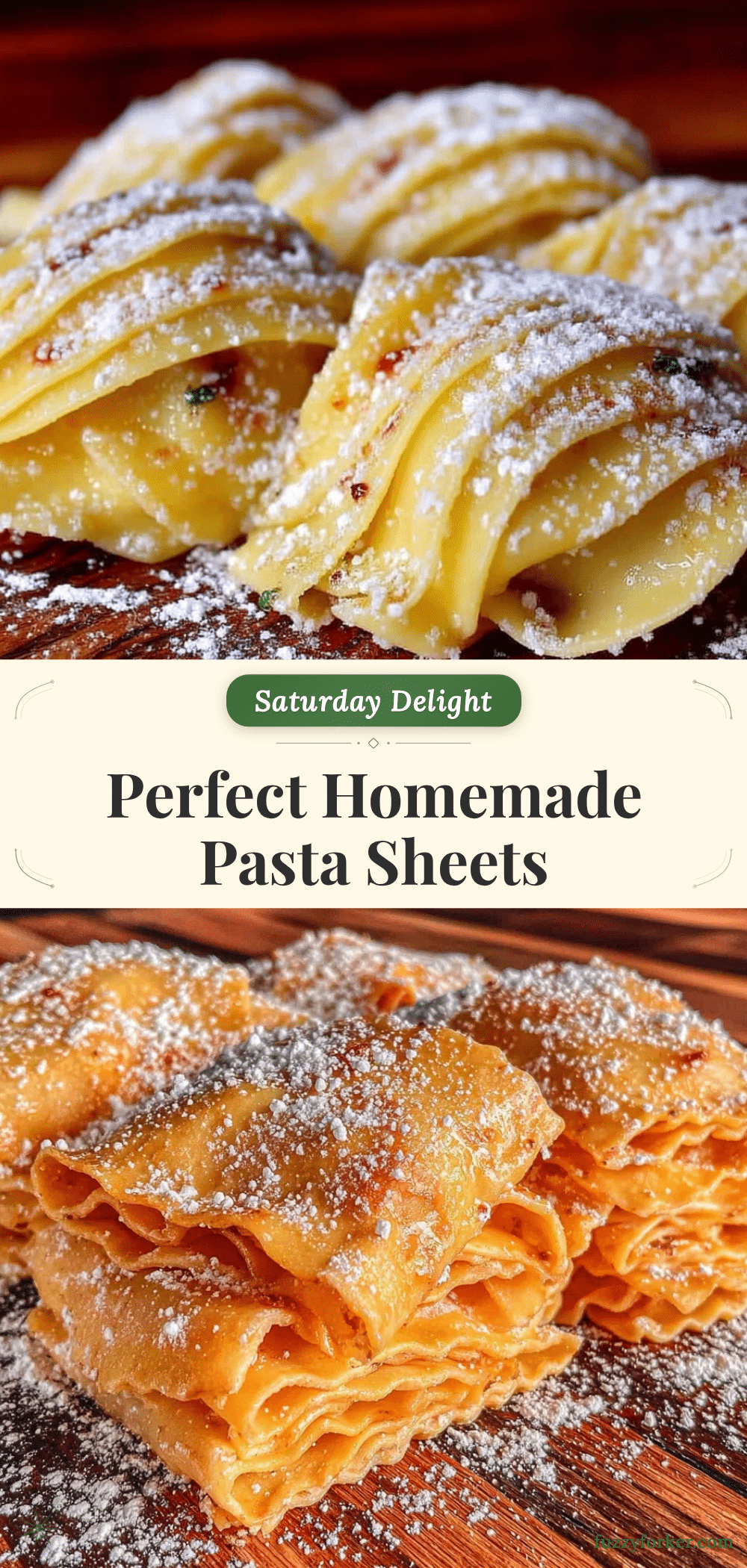
Perfect Homemade Pasta Sheets
A quick and easy recipe for making tender, thin homemade pasta sheets without a pasta machine, perfect for lasagna, ravioli, and more.
- Prep Time: 10 minutes
- Cook Time: 2 minutes (boiling fresh pasta sheets)
- Total Time: 40 minutes
- Yield: 4 servings 1x
- Category: Main Course
- Cuisine: Italian
Ingredients
- 2 cups (250 grams) all-purpose flour
- 3 large eggs, room temperature
- 1 tablespoon olive oil
- 1 teaspoon salt
- Optional: up to 1 cup (125 grams) semolina flour
- Optional: 1-2 tablespoons fresh herbs (basil, parsley, or chives), finely chopped
- Optional: splash of water if dough is too dry
Instructions
- In a large bowl, whisk together the flour and salt until evenly combined.
- Make a well in the center of the flour and crack in the eggs along with olive oil. Using a fork, gently whisk the eggs, gradually incorporating flour from the edges until smooth.
- Use your hands to knead the dough in the bowl until it forms a shaggy ball. Add a teaspoon of water if too dry or sprinkle more flour if too sticky. Transfer to a lightly floured surface.
- Knead vigorously for 8-10 minutes until the dough is smooth, elastic, and slightly tacky but not sticky. The dough should spring back when pressed.
- Wrap the dough ball in plastic wrap or cover with a damp towel and let rest at room temperature for at least 30 minutes.
- Cut the dough into 2 or 3 equal pieces. Lightly flour your work surface and roll each piece out with a rolling pin, turning and flipping often, until sheets are about 1-2 millimeters thick and almost translucent.
- Cut pasta sheets to desired size for lasagna, ravioli, or other dishes. Use immediately or let dry slightly on a floured towel before cooking or storing.
Notes
Keep your rolling pin and work surface lightly floured to prevent sticking but avoid over-flouring which can dry out the dough. Resting the dough is crucial for elasticity and easier rolling. Fresh pasta cooks quickly in boiling salted water for 1-2 minutes. Sheets can be refrigerated up to 2 days or frozen up to 2 months with parchment paper between layers.
Nutrition
- Serving Size: 1/4 of the dough bat
- Calories: 220
- Sodium: 200
- Fat: 5
- Carbohydrates: 35
- Fiber: 1.5
- Protein: 8
Keywords: homemade pasta, pasta sheets, fresh pasta, easy pasta dough, no pasta machine, lasagna sheets, ravioli wrappers