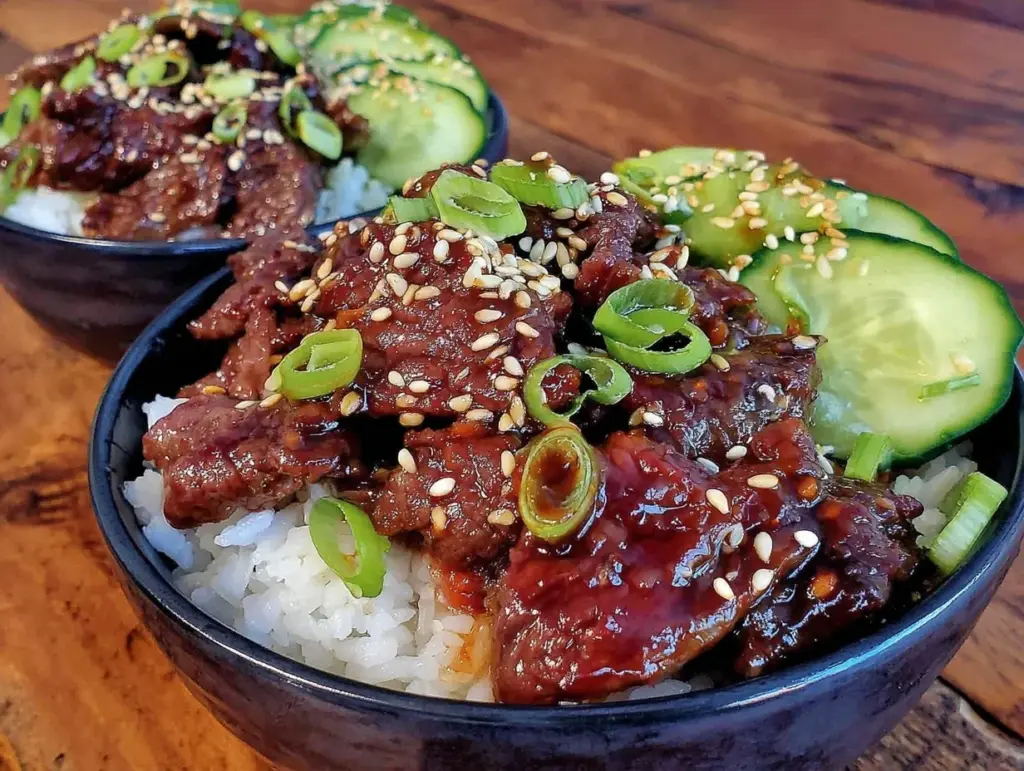
“You seriously have to try this,” my coworker said, sliding a container across the lunch table. I eyed the glossy, caramelized beef strips nestled on a bed of steaming rice, topped with bright green cucumber slices glistening with a tangy sheen. Skeptical but hungry after a chaotic morning, I took a bite—and honest to goodness, my taste buds did a little dance. That was the moment I started making Korean bulgogi beef rice bowls with quick pickled cucumber on repeat.
It wasn’t some fancy dinner or elaborate weekend project. Nope, it came from a rushed weekday lunch where takeout seemed inevitable, but a quick idea and a few simple ingredients turned into something unexpectedly comforting and fresh. The beef is sweet and savory with a hint of smoky char, while the pickled cucumber cuts through with a crisp, vinegary punch. It’s exactly the kind of meal that feels both indulgent and light, perfect for when you want something satisfying but not fussy.
What caught me off guard was how the flavors somehow balanced each other so perfectly without much effort. I was never much of a “Korean cuisine” person before this, but now I keep finding excuses to make these bowls. They fit my late-night solo cooking sessions or those times I want to impress friends without breaking a sweat. Honestly, it’s the kind of recipe that sticks with you quietly, making you reach for it again and again.
And here’s the thing: it’s not complicated or intimidating. You don’t need hours or exotic ingredients. Just a handful of staples and a little patience for that quick pickle to do its magic. So, if you’re curious about Korean bulgogi beef rice bowls with quick pickled cucumber, pull up a chair. Let’s talk about why this recipe might just become your new favorite weeknight go-to.
Why You’ll Love This Recipe
After cooking Korean bulgogi beef rice bowls with quick pickled cucumber multiple times (I’m not kidding, sometimes twice in one week), I can vouch for how straightforward and rewarding it is. This recipe hits a sweet spot—combining bold flavors and simple prep—and that’s a rare find in weeknight meals. Here’s why it stands out:
- Quick & Easy: From marinade to table in about 30 minutes, perfect for busy evenings or last-minute plans.
- Simple Ingredients: The pantry staples like soy sauce, garlic, and sugar mix with easy-to-find cucumbers and beef—no specialist market runs needed.
- Perfect for Casual Dinners or Meal Prep: Whether you’re feeding one or prepping lunches for the week, these bowls pack flavor that holds up well over time.
- Crowd-Pleaser: My friends can’t get enough of the tender, caramelized beef paired with that refreshing crunch of quick pickled cucumber.
- Unbelievably Delicious: The sweet-savory marinade and bright pickle combo make every bite a little celebration.
This recipe isn’t just another bulgogi bowl. The quick pickled cucumber is more than a side—it’s a bright, palate-cleansing contrast that lifts the whole dish. Plus, the marinade balances soy, sesame, and a touch of honey, giving the beef a subtly smoky depth that feels like a home-cooked secret. I’ve even swapped the traditional rice for cauliflower rice or quinoa with great results.
If you’ve ever felt overwhelmed by Korean recipes seeming complicated, this one breaks that mold. It’s trustworthy, approachable, and honestly, one of the most satisfying meals I’ve made without fuss. If you want to add a little extra comfort food magic to your week, this recipe’s got your back.
What Ingredients You Will Need
This recipe uses simple, wholesome ingredients to deliver bold flavor and satisfying texture without the fuss. Most are pantry staples or easy-to-find in any grocery store. Here’s what you’ll gather for the Korean bulgogi beef rice bowls with quick pickled cucumber:
- For the Bulgogi Marinade and Beef:
- 1 lb (450g) thinly sliced beef ribeye or sirloin (look for well-marbled cuts for tenderness)
- 1/4 cup soy sauce (I prefer Kikkoman for its balanced saltiness)
- 1 tablespoon sesame oil (toasted sesame oil adds a nutty aroma)
- 2 tablespoons brown sugar or honey (for that perfect caramelized sweetness)
- 3 garlic cloves, minced (fresh is best for pungency)
- 1 teaspoon freshly grated ginger (adds zing)
- 1/4 teaspoon black pepper
- 2 green onions, thinly sliced (for garnish and a mild onion crunch)
- 1 tablespoon toasted sesame seeds (optional, for garnish)
- For the Quick Pickled Cucumber:
- 1 medium cucumber, thinly sliced (English or Kirby work well)
- 1/4 cup rice vinegar
- 1 tablespoon sugar
- 1/2 teaspoon salt
- Optional: pinch of red pepper flakes or a few thin slices of fresh chili for a little heat
- For the Rice Bowls:
- 3 cups cooked short-grain white rice or jasmine rice (warm and fluffy)
- Optional: steamed or sautéed vegetables like spinach or carrots for extra color and nutrition
If you want a gluten-free version, just swap the soy sauce for tamari. For a dairy-free recipe, no worries here—it’s naturally free of dairy. The quick pickle is where the brightness comes from, so try not to skip that part; it balances the rich beef beautifully. And if you’re in the mood for a little twist, swapping brown sugar for maple syrup gives a lovely depth.
Equipment Needed
- A sharp chef’s knife and cutting board—for slicing the beef and cucumbers thinly.
- A large mixing bowl—for combining the bulgogi marinade and beef.
- A medium bowl or jar with lid—for quick pickling the cucumbers.
- A non-stick skillet or cast-iron pan—a heavy pan helps get that nice caramelized sear on the beef.
- Measuring spoons and cups—to keep the marinade balanced and consistent.
- Rice cooker or pot with lid—for perfectly cooked rice without guesswork.
If you don’t have a cast-iron pan, a heavy-bottomed stainless steel skillet works fine. For quick pickling, a glass jar with a tight lid makes flipping and shaking easy, but a bowl covered with plastic wrap will do in a pinch. Personally, I swear by my rice cooker for hands-off perfectly fluffy rice, but you can absolutely cook it on the stove.
Preparation Method
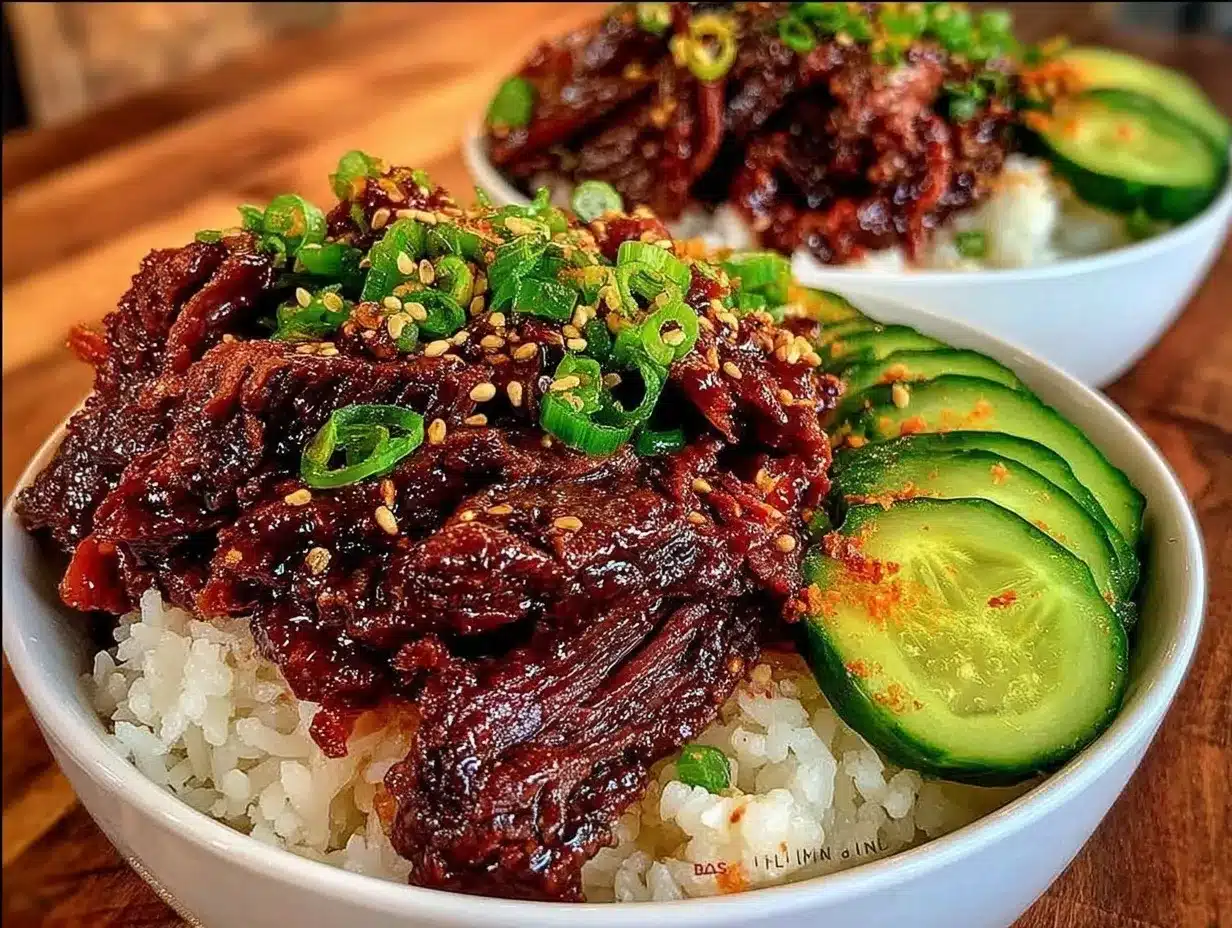
- Prepare the marinade: In a large bowl, whisk together 1/4 cup soy sauce, 1 tablespoon sesame oil, 2 tablespoons brown sugar or honey, minced garlic, grated ginger, and black pepper. Make sure the sugar is dissolved for an even flavor.
- Marinate the beef: Add the thinly sliced beef to the marinade, tossing well to coat every piece. Cover and let it sit for at least 15 minutes—if you have more time, 30 minutes to an hour really deepens the flavor.
- Quick pickle the cucumbers: While the beef marinates, combine the rice vinegar, sugar, salt, and optional red pepper flakes in a bowl or jar. Stir until the sugar dissolves completely. Add the thinly sliced cucumbers and toss or shake to coat. Let sit for 15-20 minutes, tossing occasionally.
- Cook the rice: Make sure your rice is freshly cooked or reheated to warm and fluffy. Fluff with a fork before serving.
- Sear the beef: Heat a non-stick skillet or cast-iron pan over medium-high heat. Once hot, add the marinated beef in batches to avoid overcrowding. Cook for 2-3 minutes per side until nicely browned and caramelized. The meat should be tender and juicy but with some crisp edges.
- Assemble the bowls: Divide the rice among bowls. Top with the cooked bulgogi beef, quick pickled cucumber, sliced green onions, and sprinkle with toasted sesame seeds if using. Add any optional veggies on the side for color and texture.
- Final touch: For an extra pop, drizzle a little more sesame oil or a spoonful of Korean chili paste (gochujang) if you like heat.
Here’s a neat trick I learned: don’t overcrowd the pan when cooking the beef. Too much meat at once steams instead of sears, and you lose that rich caramelization. Also, the quick pickled cucumber benefits from resting while you cook the beef—it marinating gently brings out the brightness and crunch.
Cooking Tips & Techniques
Getting the bulgogi beef just right is all about balance and timing. Here are some tips from my kitchen trials:
- Slice beef thinly: Freezing the beef for 30 minutes before slicing makes it easier to get those paper-thin slices that cook quickly and soak up marinade.
- Marinate adequately: Even a short 15 minutes works, but if you can, give it up to an hour for deep flavor penetration.
- High heat is key: Use a hot pan to get that caramelized sear. Avoid overcrowding the pan to keep the heat consistent.
- Quick pickle the cucumbers: The goal isn’t long fermentation, but a bright, crisp bite. Toss and let rest while you cook the beef, then drain excess liquid before serving to keep the bowl from getting soggy.
- Multitask smartly: Start your rice cooker or pot first, then prep marinade and pickles while rice cooks, then sear beef last—this keeps everything hot and fresh.
- Watch your sugar: Too much can burn quickly during searing. I stick to 2 tablespoons for a subtle sweetness that doesn’t overwhelm.
I once tried marinating overnight and found the beef a touch too salty for my taste, so I recommend sticking close to the timing above unless you adjust seasoning. Also, don’t skip the sesame oil garnish—it really brings that authentic aroma that makes bulgogi special.
Variations & Adaptations
This Korean bulgogi beef rice bowl recipe is wonderfully flexible. Here are some ways I’ve tweaked it:
- Vegetarian twist: Swap beef for thinly sliced mushrooms (shiitake or portobello) or tofu strips marinated the same way. The pickled cucumber keeps the bowl fresh and light.
- Spicy version: Add 1 tablespoon gochujang (Korean chili paste) to the marinade or serve on the side for a kick.
- Low-carb option: Replace rice with cauliflower rice or sautéed zucchini noodles for a lighter bowl.
- Seasonal veggies: In warmer months, swap quick pickled cucumber for quick pickled radish or add fresh shredded carrots and bean sprouts.
- Meal prep friendly: Make a big batch of bulgogi beef and pickled cucumber separately, store in airtight containers, and assemble bowls throughout the week.
One of my favorite adaptations was adding steamed broccoli and a soft-boiled egg on top for extra protein and texture contrast. When I want a little indulgence, a drizzle of mayo mixed with sriracha adds a creamy spice that’s seriously addictive.
Serving & Storage Suggestions
This dish is best served warm, right after cooking, when the beef is juicy, and the rice is fluffy. The quick pickled cucumber should be cold or at room temperature to provide that crisp contrast. I like to serve it with a side of steamed greens or a simple kimchi salad.
If you’re making this for meal prep, store the bulgogi beef and pickled cucumbers separately from the rice to prevent sogginess. In the fridge, the beef keeps well for up to 3 days, and the pickles last about a week (the vinegar helps preserve them).
Reheat the beef gently in a skillet or microwave, and fluff the rice before plating. The cucumber is best added fresh or slightly chilled. Leftover flavors deepen over time, so sometimes I find the next day’s bowl tastes even better—if it lasts that long!
Nutritional Information & Benefits
Each Korean bulgogi beef rice bowl with quick pickled cucumber roughly contains:
| Nutrient | Estimate per serving |
|---|---|
| Calories | 450-500 kcal |
| Protein | 30-35 g |
| Carbohydrates | 45-50 g |
| Fat | 12-15 g |
| Fiber | 2-3 g |
The beef provides a solid protein punch, while the cucumbers add hydration and vitamins with minimal calories. The quick pickle’s vinegar may aid digestion, and sesame oil adds heart-healthy fats. This recipe is naturally gluten-free when using tamari instead of soy sauce and dairy-free, making it broadly accessible.
Conclusion
There’s something quietly rewarding about a meal that feels both comforting and fresh, and these Korean bulgogi beef rice bowls with quick pickled cucumber hit that note every single time. Whether you’re new to Korean flavors or a seasoned fan, this recipe offers a straightforward way to enjoy bold, balanced tastes without hours in the kitchen.
Feel free to adjust the spice, swap ingredients, or add your favorite veggies—this bowl is a canvas for your cravings. Personally, the mix of sweet, savory, and tangy keeps me coming back, especially on those nights when I want something easy but interesting.
If you try it, I’d love to hear how you make it your own. Cooking should be fun and flexible, and this recipe definitely lets you do both. So grab your skillet, prep that quick pickle, and enjoy every bite!
FAQs About Korean Bulgogi Beef Rice Bowls
How thin should the beef be sliced for bulgogi?
About 1/8-inch (3 mm) thin slices work best. Freezing the beef for 20-30 minutes before slicing makes it easier to cut thin, even strips.
Can I use chicken or pork instead of beef?
Absolutely! Thinly sliced chicken thighs or pork shoulder work well with the marinade. Adjust cooking times accordingly—chicken cooks faster.
How long do I need to quick pickle the cucumbers?
15-20 minutes is usually enough to get a crisp, tangy bite. You can leave them longer for a stronger pickle flavor, but they’ll soften over time.
Is it okay to prepare the marinade ahead of time?
Yes! The marinade can be made and stored for up to 2 days in the fridge. Just add the beef when you’re ready to marinate and cook.
What’s a good side dish to serve with these bulgogi bowls?
Steamed greens, kimchi, or a simple cucumber salad complement the flavors nicely. You might also enjoy pairing it with creamy classic hummus for a fun fusion twist or a fresh cucumber avocado salad to keep things light and refreshing.
Pin This Recipe!
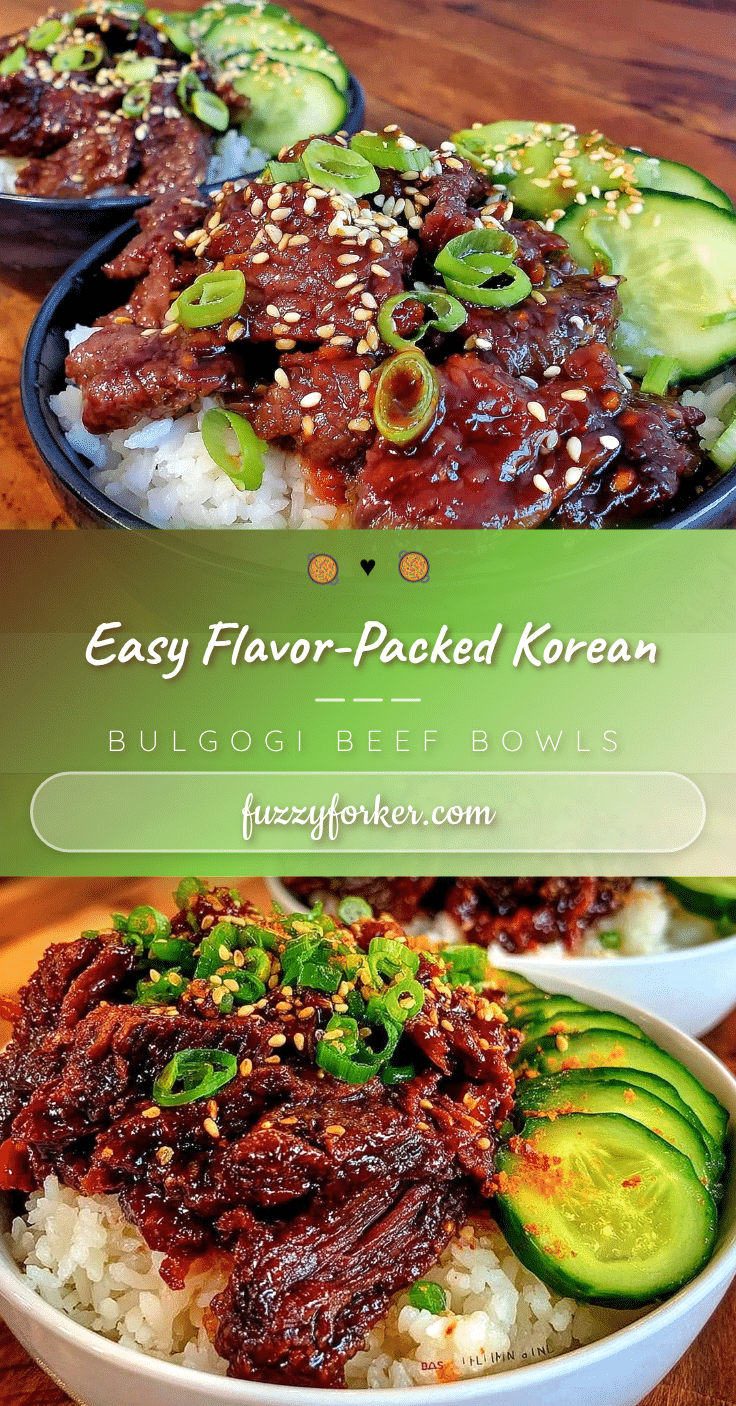
Korean Bulgogi Beef Rice Bowls Recipe with Quick Pickled Cucumber
A quick and easy Korean bulgogi beef rice bowl featuring sweet and savory caramelized beef paired with a bright, tangy quick pickled cucumber for a satisfying and fresh meal.
- Prep Time: 15 minutes
- Cook Time: 15 minutes
- Total Time: 30 minutes
- Yield: 4 servings 1x
- Category: Main Course
- Cuisine: Korean
Ingredients
- 1 lb (450g) thinly sliced beef ribeye or sirloin
- 1/4 cup soy sauce
- 1 tablespoon sesame oil
- 2 tablespoons brown sugar or honey
- 3 garlic cloves, minced
- 1 teaspoon freshly grated ginger
- 1/4 teaspoon black pepper
- 2 green onions, thinly sliced
- 1 tablespoon toasted sesame seeds (optional)
- 1 medium cucumber, thinly sliced
- 1/4 cup rice vinegar
- 1 tablespoon sugar
- 1/2 teaspoon salt
- Pinch of red pepper flakes or a few thin slices of fresh chili (optional)
- 3 cups cooked short-grain white rice or jasmine rice
- Optional: steamed or sautéed vegetables like spinach or carrots
Instructions
- In a large bowl, whisk together soy sauce, sesame oil, brown sugar or honey, minced garlic, grated ginger, and black pepper until sugar is dissolved.
- Add the thinly sliced beef to the marinade, toss well to coat, cover and let sit for at least 15 minutes (up to 1 hour for deeper flavor).
- Combine rice vinegar, sugar, salt, and optional red pepper flakes in a bowl or jar. Stir until sugar dissolves. Add sliced cucumbers, toss or shake to coat, and let sit for 15-20 minutes, tossing occasionally.
- Cook or reheat rice until warm and fluffy, fluff with a fork before serving.
- Heat a non-stick skillet or cast-iron pan over medium-high heat. Add marinated beef in batches to avoid overcrowding. Cook 2-3 minutes per side until browned and caramelized.
- Divide rice among bowls. Top with cooked bulgogi beef, quick pickled cucumber, sliced green onions, and toasted sesame seeds if using. Add optional veggies if desired.
- For extra flavor, drizzle a little more sesame oil or add a spoonful of Korean chili paste (gochujang) if you like heat.
Notes
Freeze beef for 20-30 minutes before slicing for easier thin cuts. Do not overcrowd the pan when searing beef to ensure caramelization. Let quick pickled cucumbers rest while cooking beef for best flavor and crunch. Marinate beef at least 15 minutes, up to 1 hour for deeper flavor. Use tamari instead of soy sauce for gluten-free version. Optional additions include gochujang for spice, steamed vegetables, or swapping rice for cauliflower rice or quinoa.
Nutrition
- Serving Size: 1 bowl (approximatel
- Calories: 475
- Sugar: 10
- Sodium: 900
- Fat: 13.5
- Saturated Fat: 3.5
- Carbohydrates: 47.5
- Fiber: 2.5
- Protein: 32.5
Keywords: Korean bulgogi, beef rice bowl, quick pickled cucumber, easy Korean recipe, weeknight dinner, bulgogi marinade, Korean beef, quick pickle